Food trade is a global business. When you wander along the shelves of a German supermarket, you find products from all over the world—Chinese noodles and sauces, Mexican wraps, American peanut butter, Italian pasta, Polish pickles, English biscuits, French jam. These products transgress vast geographical distances and weave together a global food network. This food network is alive. It expands and retracts. New brands and food products are constantly developed, further market niches explored, and culinary codes widened. What are these products? Where do they come from? How to sell them?
Giuseppina and Marc decided to add to the global food trade. On their online shop Boutiqua Portuguesa, the young entrepreneurial couple from Germany sells both new and traditional Portuguese brands, including food and cosmetics products. Their food portfolio includes all types of canned fish. In beautiful, brightly-coloured tins, you will find Bacalhau with chickpeas, tuna with pimientos, sardine paté, and octopus in olive oil. In addition, a mouth-watering range of honey, coffee, marmalades (pumpkin confiture!), and chocolate awaits you. Marc and Giuseppina also produce their own tea lines with tea from the Azores. With Boutiqua Portuguesa, they want to bring Portuguese flavours to your plate.

meet the founders
Marc and Giuseppina developed their idea for Boutiqua Portuguesa at university. After obtaining her high school degree, Giuseppina studied Industrial Engineering with a focus on logistics. Marc studied Business Administration. When they finished their bachelor’s degrees simultaneously, they enrolled into the same master’s programme in International Marketing and Sales at the University of Münster. Besides their studies, both worked in different companies to gain work experience. They often dreamed about starting a project or business together. Why? When working for others, they share, “you can’t follow your own ideas as much. Especially now with our online boutique, we can finally live out our creativity.” In addition, many business working environments “often lack something human. Everything is focused on reaching financial goals without focusing on human relationships or superior goals with a certain non-financial purpose.” Giuseppina and Marc wanted to make their own decisions to cultivate a business that fits their values.
While both grew up in Germany, Giuseppina has Italian and Marc Portuguese roots. One evening, the two sat together with Marc’s family after dinner: “It was a regular Friday evening when my father told us about a popular Portuguese toothpaste he had already known since childhood. Reissued in a classic retro design, it is now celebrated in parts of Asia and around the world.” Couto, founded in 1932, is a well-known company in Portugal. However, when Marc’s father tried to order Couto toothpaste online, it was surprisingly complicated. Marc and Giuseppina noticed a possible market niche. On subsequent trips to Portugal, they spotted further interesting products that were difficult to purchase from Germany. When they signed up for a course in e-commerce at university, the idea to import Portuguese products to Germany materialised.
In the summer of 2020, the couple started to build Boutiqua Portuguesa. It took them roughly two months to design the online shop and its logo, research the many legal, financial and administrative requirements, and find potential brands to sell. How do you set up a brand relationship, I wonder, when you are just starting your business? Giuseppina and Marc laugh—you need to keep sending emails. Some brands did not respond to them at all. Others were interested and shared price lists. When the shop went online in November, it had four brands in its portfolio: “Besides the Couto toothpaste, we started our journey with tea from Cha Gorreana and canned fish from Acor as well as Nazarena.” Once the shop was running, it was easier to contact brands. Finally, they could present a tangible selling platform to partners.
the products
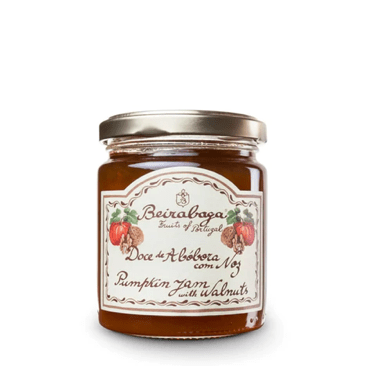
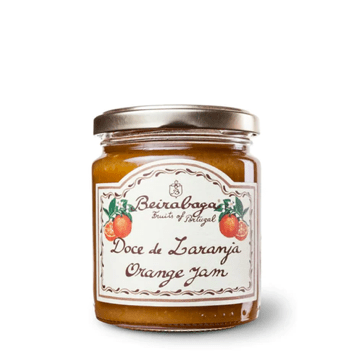
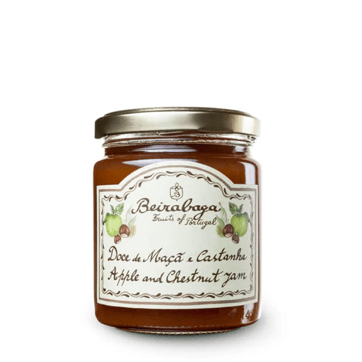
Boutiqua Portuguesa now sells a wide range of Portuguese foods, focusing on products “with which one can identify and which stand for fair, transparent & high-quality Portuguese craftsmanship with a unique story behind each product”. Beirabaga jam, for example, is manufactured by the Portuguese couple Rita and Federico Horgan. Among their family documents, they discovered old cloister recipes for jam. These recipes don’t need added colourants, preservatives, or flavour enhancers. The jams’ mouth-watering flavours range from apple with chestnut, fig, pumpkin with almonds to raspberry with honey: “We love all of them, but if we have to decide for one, it would definitely be the fruity raspberry jam. It is sweetened with honey instead of sugar which gives this jam a unique taste and a special texture. It serves perfectly as a topping for pancakes or waffles.”
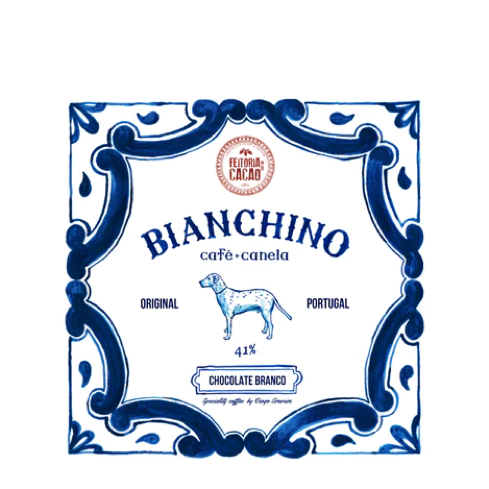
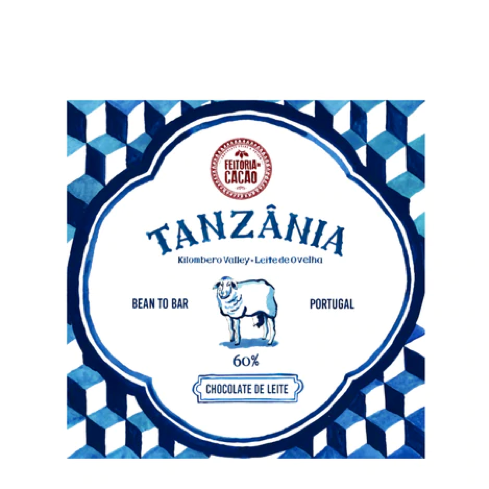
Another of Marc and Giuseppina’s lucky finds is the brand Feitoria do Cacao, founded by Tomoko Suga and Sue Tavares. On a trip to São Tomé and Principe, the two founders learned about the process of cacao production but also saw the dehumanising conditions present on cacao plantations. They decided to pick up the craft of chocolate making to develop fairly-produced chocolates. In Giuseppina’s and Marc’s online shop, you find a range of tastes of their chocolates, including white chocolate with coffee & cinnamon 41%, milk chocolate with sheep’s milk 60%, or dark chocolate with Fleur De Sel 72%. “It’s so much fun working with Tomoko and Sue, two chocolate lovers who continue creating every chocolate by hand. We are happy to accept a relatively long delivery time of four weeks for this unique chocolate.” From young start-ups like the peanut butter producer BlissOUT or the canned fish producer OQOPO to established producers like Acor, there are many exciting food brands to explore at Boutiqua Portuguesa.
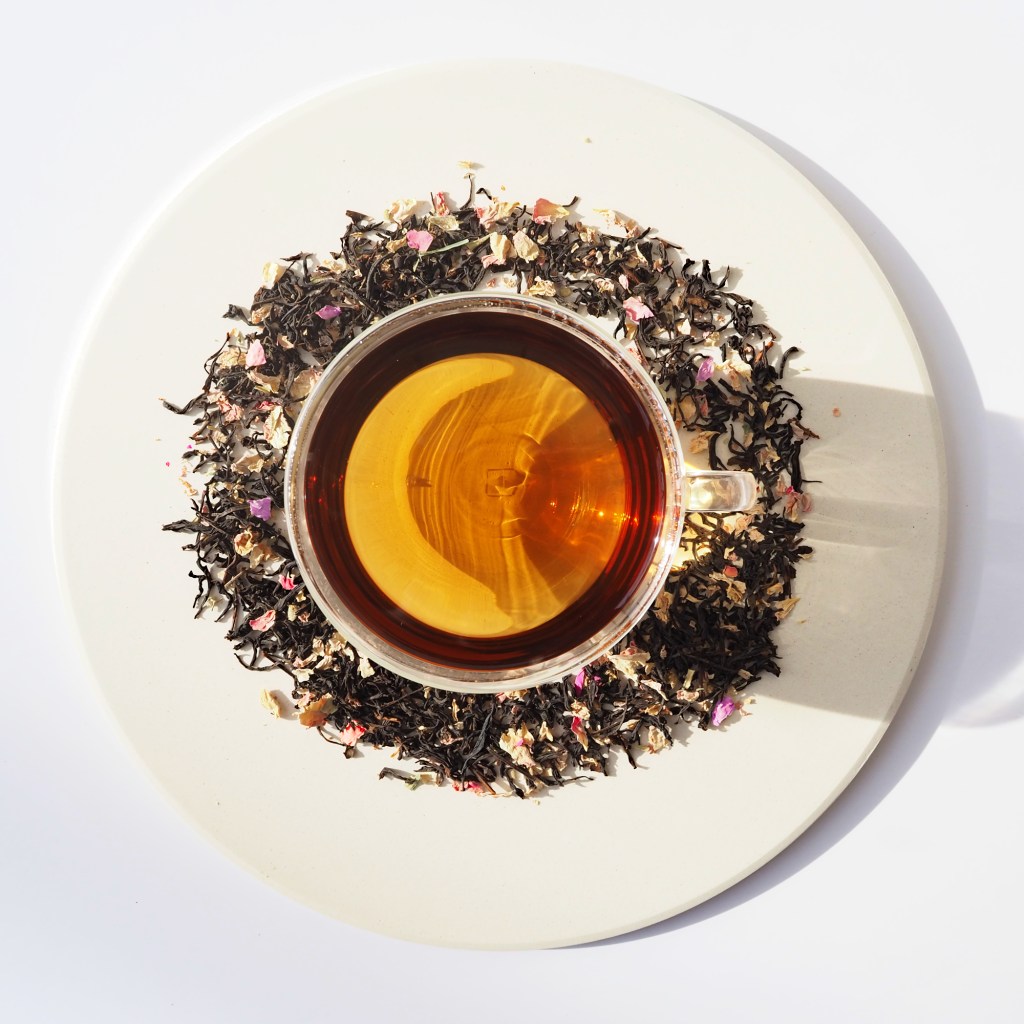

Giuseppina and Marc are passionate tea aficionados and have dreamed of their own tea line for years: “We drink tea on a daily basis”. They were intrigued when they learned about Portuguese tea plantations on the Azores. The tea is fairly produced without pesticides. The first time they tried the green Azores tea, they “were really surprised”. Usually, when green tea brews for too long, it tastes bitter. The Azorean tea “is not bitter at all, but mild”. Hence, their tea production journey began.
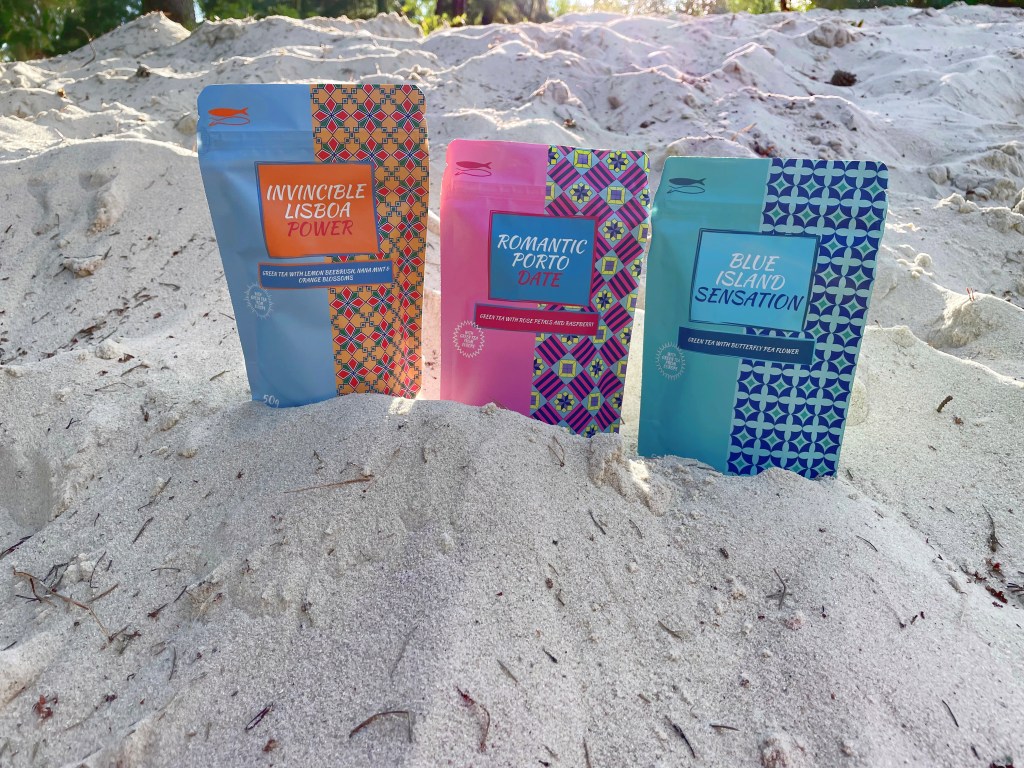
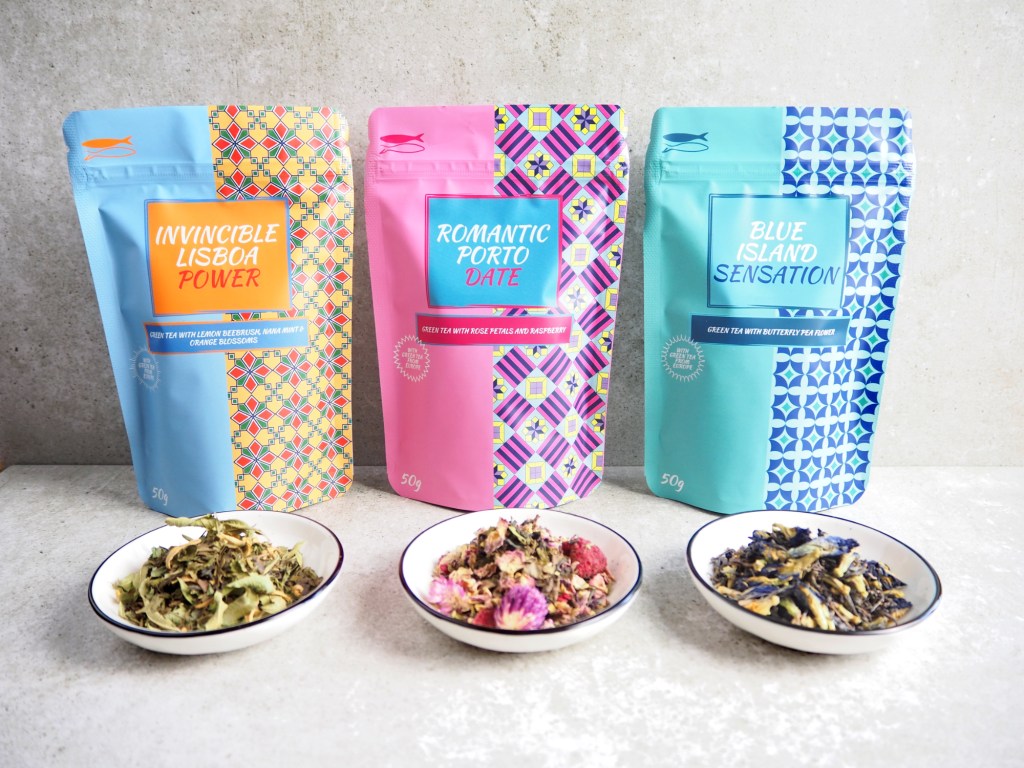
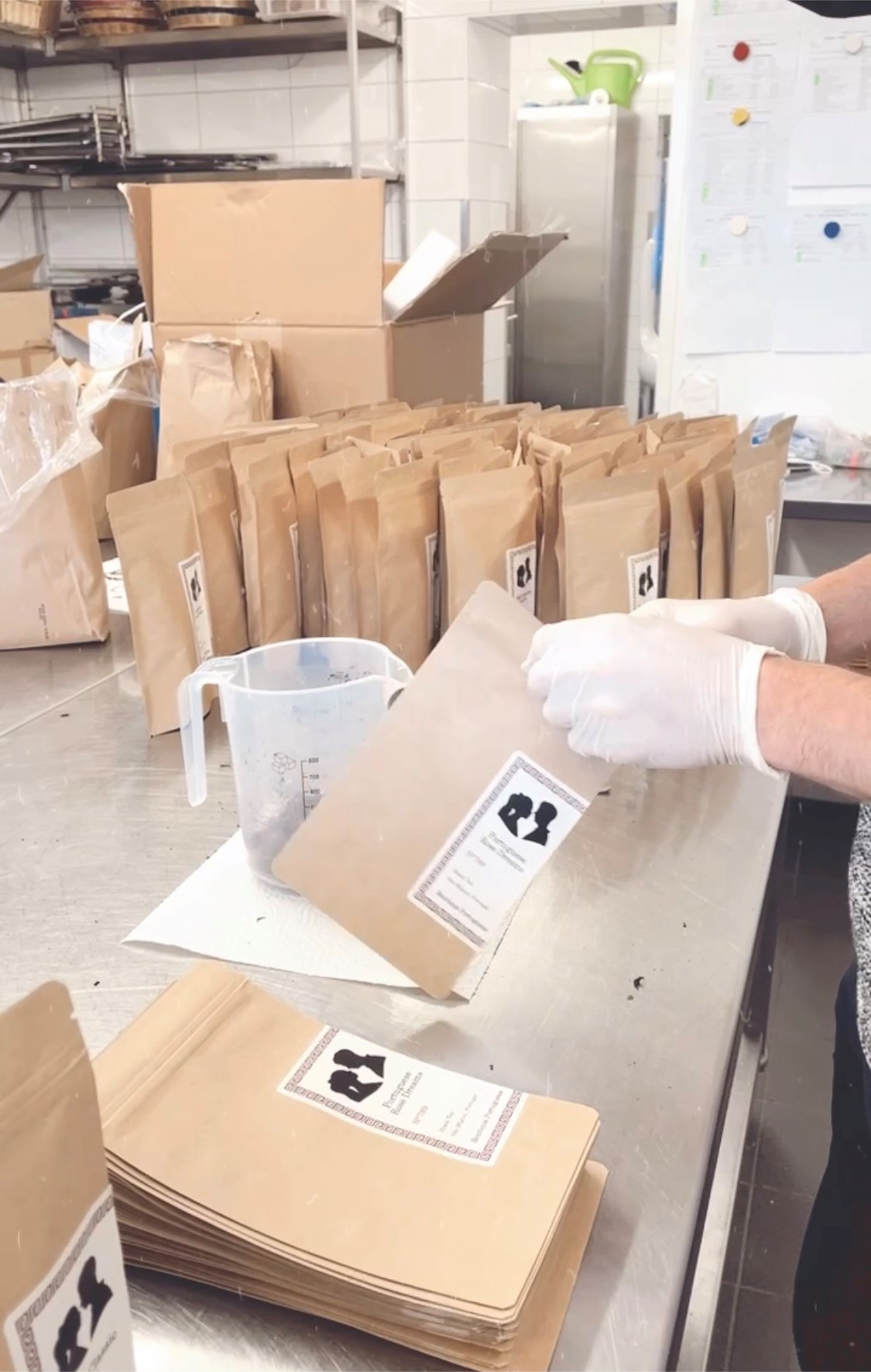
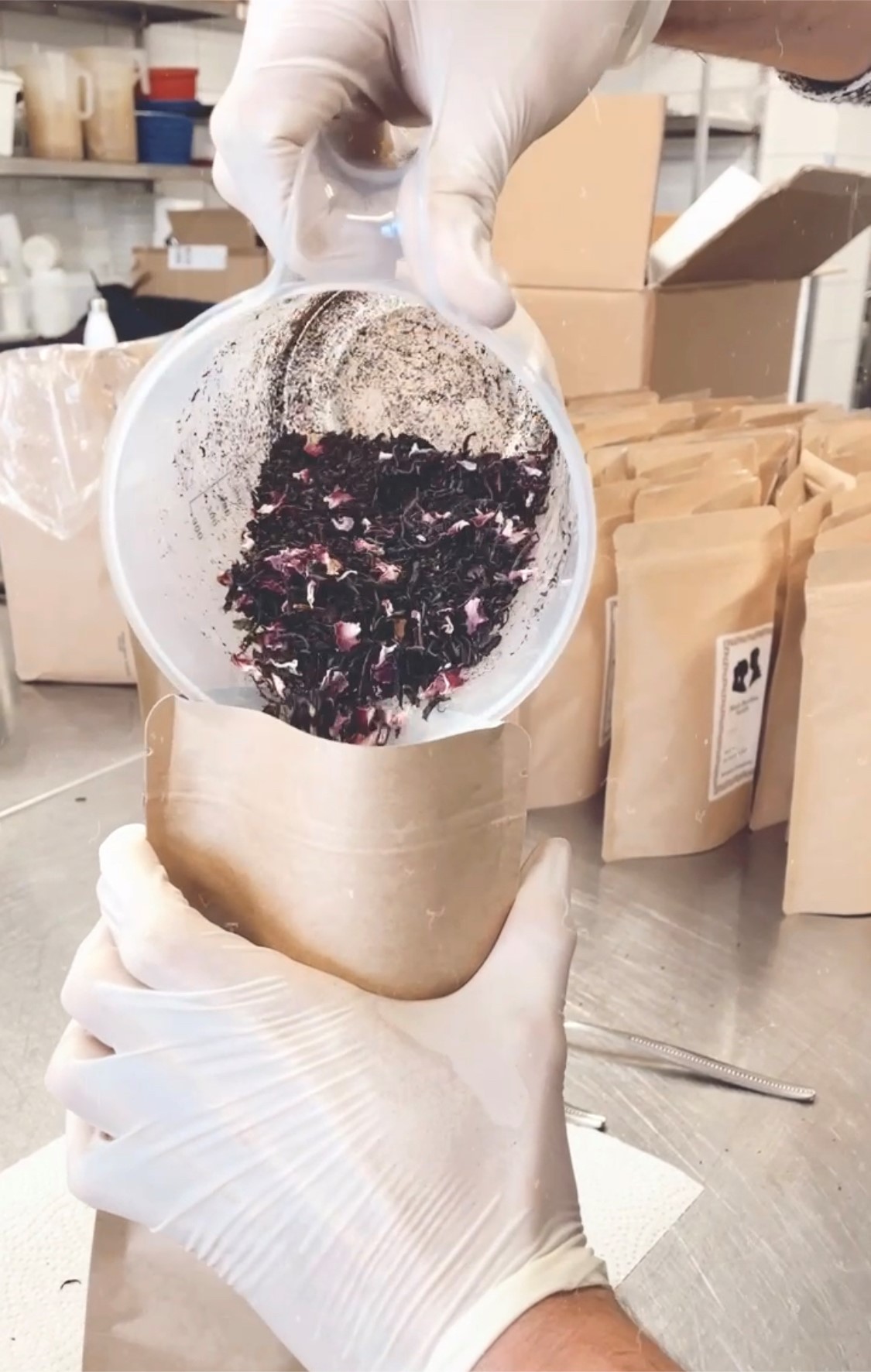
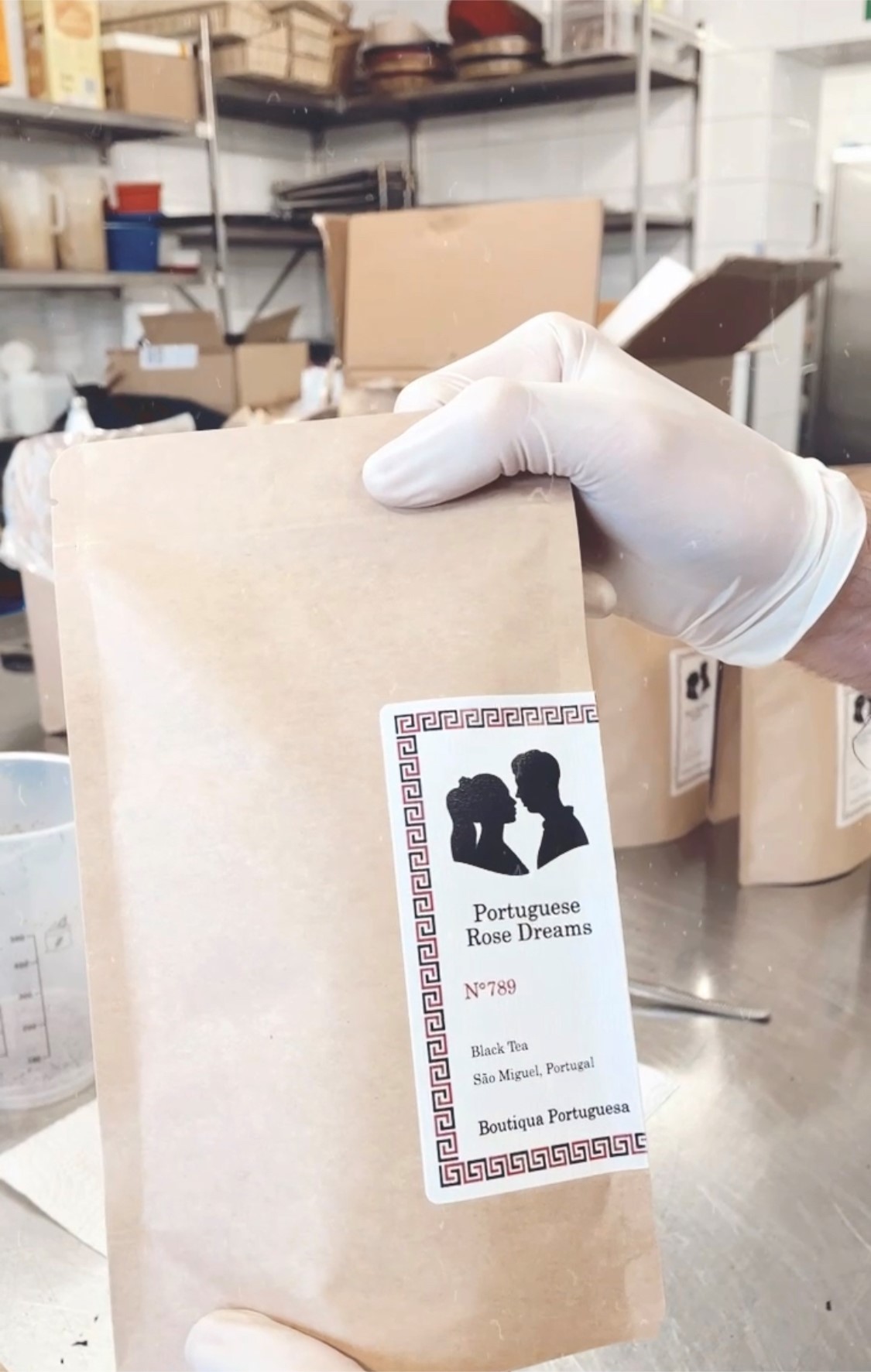
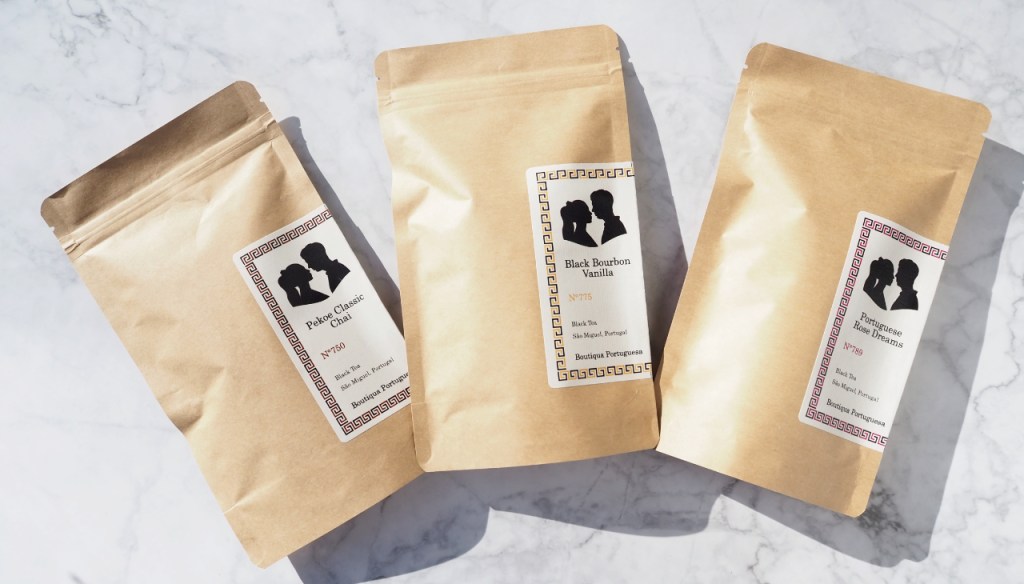
The two import Azorean tea and combine it with ingredients such as pink pepper, cardamon, ground ginger, rose petals, and clove. They mix the tea and spices in a local industrial kitchen. Giuseppina is responsible for the teas’ flavour profile and likes to play with flavour combinations. So far, they have produced three types of green tea, wrapped in brightly coloured packaging. Where did the inspiration for the design come from? From Portuguese tiles, they respond, the so-called Azulejos. Their tea endeavour didn’t stop there. The young couple just launched five flavours of black tea: Dark Azorean Pekoe, Dark Orange Pekoe, Pekoe Classic Chai, Black Bourbon Vanilla, and Portuguese Rose Dreams. The packaging is inspired by a different type of Portuguese tiles, named Calçadas. In the future, the two dream to create even more products and sell them internationally at Boutiqua Portuguesa
…
Marc and Giuseppina have kindly gifted me a selection of their products—the Black Bourbon Vanilla tea and two delicious-smelling soaps from Ach.Brito. I also received a hand-written postcard from Algarve, a charming personalisation they add to every order. A warm cup of comforting Black Bourbon Vanilla tea next to me, I look at the postcard. Maybe it’s time to book the next holiday? I picture myself sitting in the sun, eating tinned sardines and Bacalhau, my feet resting on warm Calçadas.

 lilly's menu
Great article, dear Lilly! So inspiring to read! Excited for the next topics you’re going to write about ☺️
LikeLike