why florence?

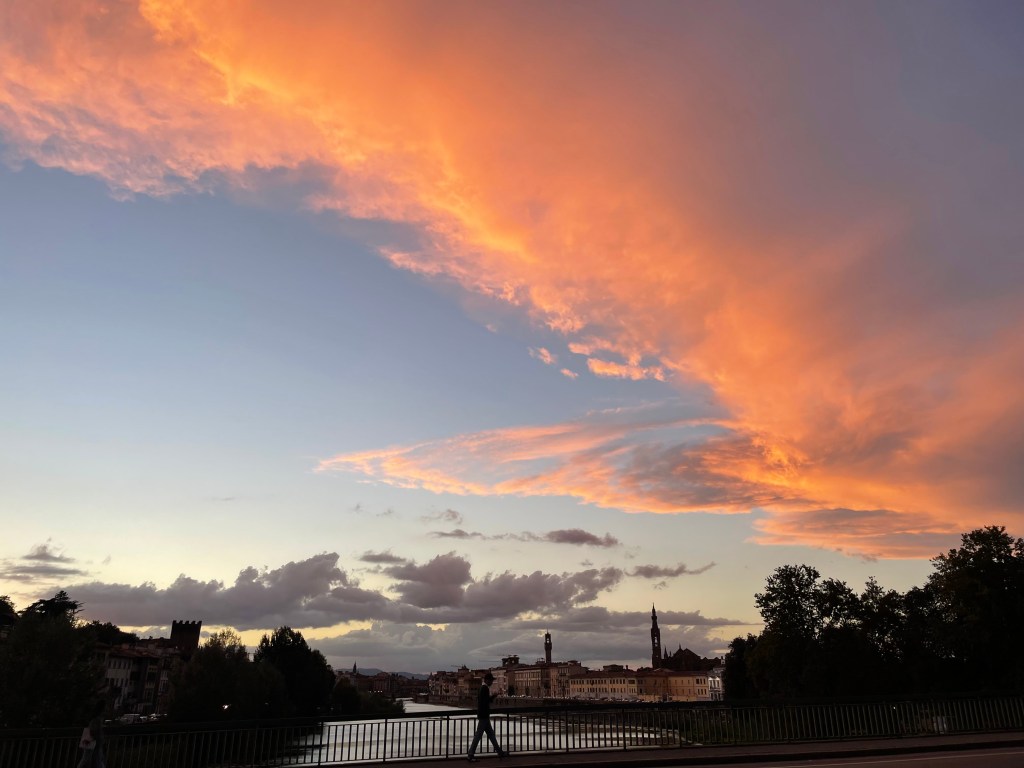
Ponte di San Niccolรฒ – I cross the bridge everyday on my way to school.

Dear Readers,

A blog is an inherently subjective medium, and often I am struck by the limitations of my perspective.

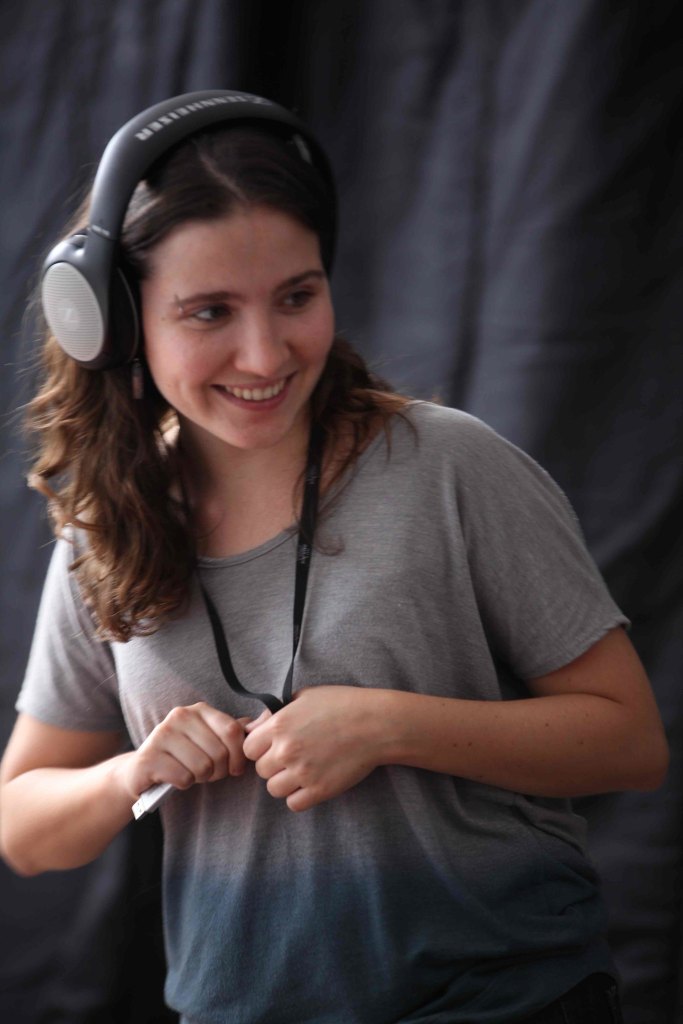
That is why this week, I asked two of my classmates at the Cordon Bleu Cooking School to share their thoughts on food and its preparation and their motivation to participate in our cooking class. Denise, a screenwriter and film producer, takes us on an appetising food tour through Brazil. She further explains how the current political climate in her home country pushed her to move to Italy. Leah is originally from Pennsylvania, United States. For the last years, she has lived in Berlin and organised travel tours across Germany and events of all sizes. In her responses, she reflects on her love for Sicilian cuisine and how she pictures incorporating her new culinary knowledge into her future profession. ย 

Enjoy!


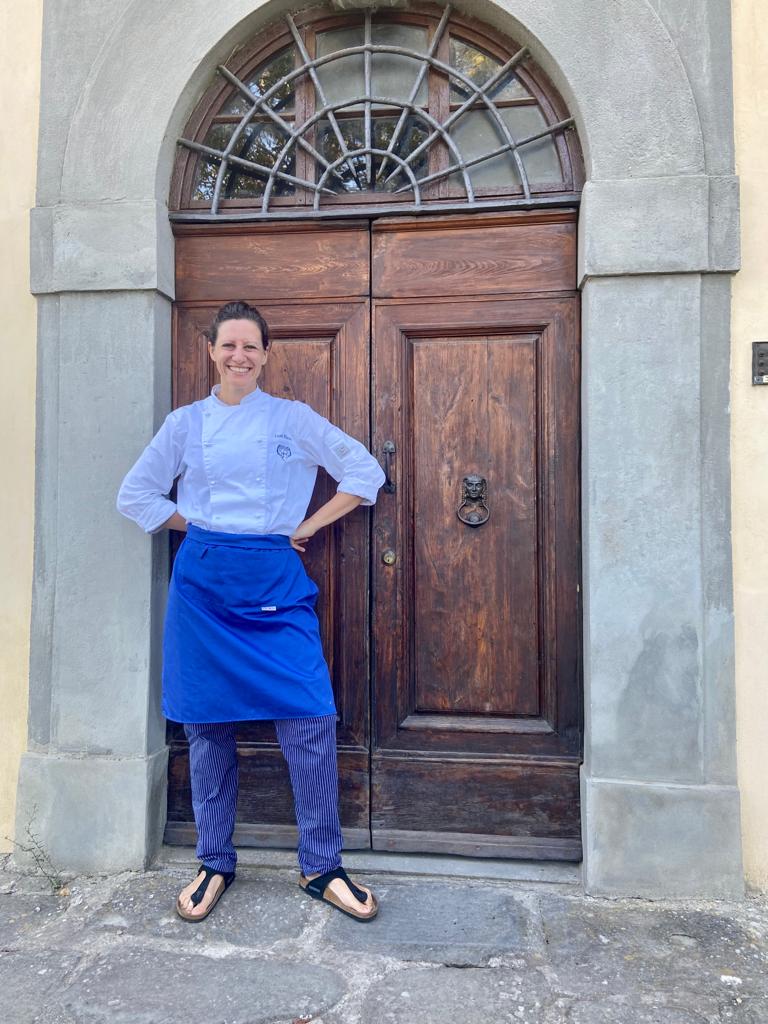
leah, 37, united states

I feel like I have just opened a door and put one little toe through โ€“ there is an entire world on the other side yet to explore!
Where are you from & whatโ€™s the cuisine in your country like?
I am from the US. As such a big country with so many people of different backgrounds and different histories, that means a massive variety of โ€˜traditionalโ€™ food.

Personally, I am from Pennsylvania, north of Philadelphia. It is a farming area with a large Mennonite and Pennsylvania Dutch population (in this case โ€˜Dutchโ€™ actually means โ€˜Germanโ€™: โ€˜Deutschโ€™ became โ€˜Dutchโ€™), and so there are many foods with a historically German background that have taken the shape of the area over time. It is also between Philadelphia and New York, so there are influences from populations who settled in these two cities as well. Half of my family is Italian American, so I personally grew up with lot of Italian food. For example, I have memories of making cannoli with my great Grandmother as a child โ€“ and complaining with my brothers that Italian cookies were not sweet enough!

What dish to you feels like home?
Itโ€™s not exactly a โ€˜dish,โ€™ but the first thing that comes to mind is an everything bagel with cream cheese! There is nothing like it and it only tastes right on the East Coast.

A small pet peeve of an American living in Europe: I see more and more bagel shops opening in Europe but no one does everything bagels. Get with it!

What was your profession before you joined the Cordon Bleu Cooking School?
I was working as a German to English translator. I have always loved writing and been interested in languages, so translation work was a natural step. Before that, I planned events and group travel throughout Germany โ€“ it was fun but also exhausting!

Why did you choose to attend the “Course for Cordon Bleu Cook” (& other classes at the school)?
Food has always been a point of focus. I come from a line of cooks โ€“ none professional but all damn good! โ€“ and it has always been the center of our family and community life. I absolutely love cooking and in recent years began spending more and more time doing it.

As I was spending most of my free time thinking about food, researching, planning meals, or cooking, I began to think seriously about training as a chef over the past year. Once I decided I wanted to go for it, Cordon Bleu Cooking School in Florence stood out to me for several reasons: four months is a very doable amount of time, it includes hands-on experience in the form of an internship, and Italian cuisine is close to my heart!

What are you most keen to learn about?
Everything! I feel like I have just opened a door and put one little toe through โ€“ there is an entire world on the other side yet to explore!

I have always had an interest in health and nutrition and the ways in which food connects us to our environment and the ecosystems we are a part of. I am interested in gaining skills in the kitchen as well as deepening my knowledge in that regard.

What are your thoughts on Tuscan cuisine?
Tuscan cuisine is delicious though at times a little meat-heavy for me! I absolutely love their gorgeous fruit, veggies, and legumes and am having a blast learning to cook in an area with such a rich culinary tradition. One thing that really stands out for me is the Tuscan connection to their land and what grows from it. I feel it in so many interactions โ€“ in our school, in the market, in small shops, speaking with friends and neighbours. I find it so beautiful and inspiring.

What other regions in Italy interest you in regard to their culinary culture?
I still have a lot of Italy to see, but I really feel most connected to and interested in Sicilian cuisine. The mix of influences and cultures that have shaped their culinary traditions is fascinating and, personally, closest to my cooking style. There are several Sicilian dishes that blew me away the first time I ate them. I can still remember them vividly. Caponata for example: the mix of sweet and sour, the exotic raisins and pine nuts โ€“ I simply hadnโ€™t tasted anything like it before. Pasta alla Norma, a classic for a reason! It is made of very basic ingredients but has such a depth of flavor. Even in โ€˜simpleโ€™ sweets like granita alle mandorle (fun fact: granita is known as โ€˜water iceโ€™ where I am from!), it feels like you can taste the sunshine.

Imagine youโ€™re on the Mercato di Santโ€™Ambrogio โ€“ what products do you find most exciting?
Just thinking about the market makes me smile: the heaps of brightly coloured fruit and vegetables, big sacks of beautiful beans and lentils โ€“ oh and the pasta, the fresh pasta! It all looks so beautiful!

What are your plans after the course? What does the future hold for you?
I began this course with an interest in starting a catering & retreat business: I am interested in cooking for retreats and catering small events and have a few small projects in the works for next year. I could also see myself opening a small cafรฉ & wine bar with beautiful snacks and homemade treatsโ€ฆwe will see where I end up! Right now, I am very excited to start the internship, gain some practical experience in a professional kitchen, and see where that takes me.
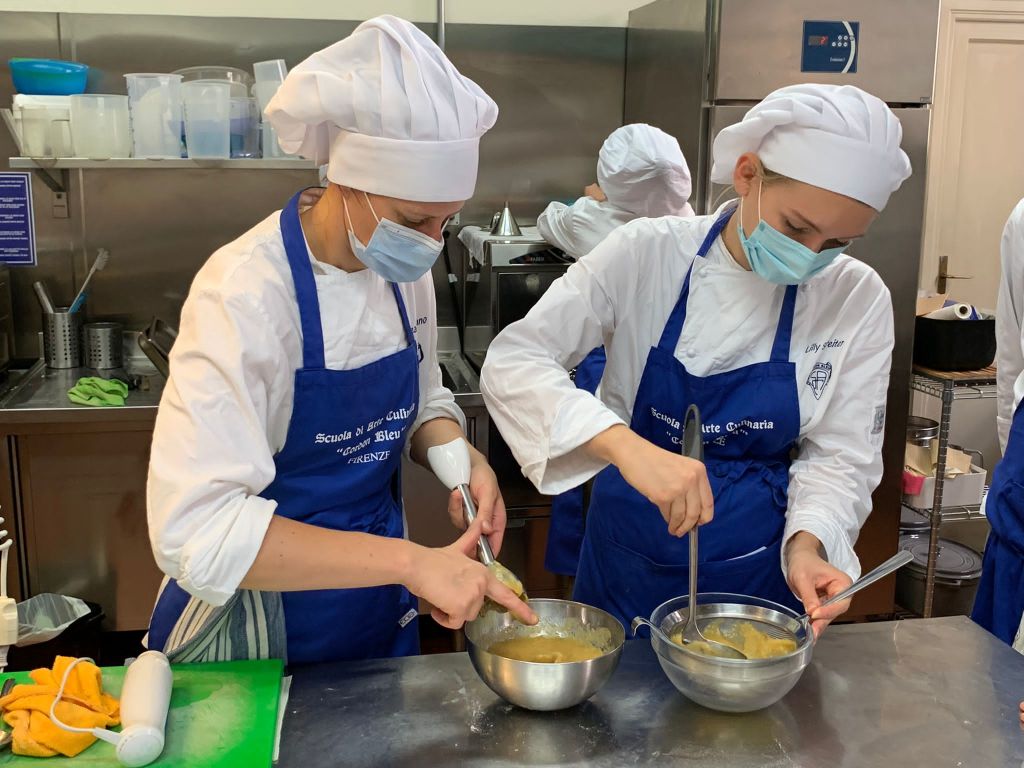
Leah and I straining an apple puree to make it extra smooth and silky.

denise, 35, brazil

I guess what reminds me of home is the possibility of mixing flavours and experimenting with them. Of course I will not refuse a beautiful pรฃo de queijo and a steamy Moqueca or Bobรณ de Camarรฃo [โ€ฆ].

Where are you from & whatโ€™s the cuisine in your country like? What dish to you feels like home? I am from Brazil, which is a very big country, so the cuisine is very diverse, each region has a more significant dish and its own flavour profile.

I have lived in quite a few places in Brazil, and have tasted things from different regions. I was born in Sรฃo Paulo and cannot really talk about specific plates from that region because it is a cosmopolitan city and you can find food from all over the world. Immigrants came to Brazil during the First and Second World Wars, specially from Italy, Germany, Portugal and Japan, and so, in Sรฃo Paulo, you find all these descendants from expats from many other countries and their culture is alive there. There are Japanese and Italian neighbourhoods, where you find food from their culture. But right next to Sรฃo Paulo is another state called Minas Gerais, thatโ€™s where my fatherโ€™s family is from and this state is surrounded by mountains (maybe cliffs? I donโ€™t know what to call it exactly) and there you can find some real treats. Being a state with strong agriculture and cattle raising, coffee, cheese and sweets made with milk from that specific region are considered one of the best in the world (ok, maybe they are pushing a bit with the cheese). So, Pรฃo de queijo which translates to โ€œCheese breadโ€, but the best English name would be โ€œCheese ballโ€ is a cheesy dough that gets cooked in the oven and becomes very mushy and delicious. That with a cup of home-made coffee is heaven.

And then we have flavours from the North-east of Brazil. States from that region received a lot of slaves during the slave era, so there we have a huge African influence that is easily spotted in the flavour profile, with things like hot peppers, coriander, cumin and Dendรช oil (which is an oil from an African palm tree abundant in this region of Brazil), and within the dishes themselves. Moqueca is a fish stew, cooked with Dendรช oil, peppers, and lots of coriander. Acarajรฉ is a fried dough made from white beans that are supposed to be really cheap and also dried shrimp, the shrimp that was not eaten fresh and then was seasoned and left to dry with its shell. And also, since the North-east region is by the sea, it is easy to find shellfish cooked in different ways, specially Lambreta (like a vongole) and crabs from the mangrove, both cooked in hot water with only onions and coriander. Delicious.

To finish this trip around Brazil, I also lived in the South region, actually in the southernmost state of the country, right next to Uruguay and Argentina. That region is famous for its meat. Churrasco is a famous barbecue style experience. We cannot call it a dish, because it is about meat cooked in a stick over hot coal, accompanied by different sides like rice, potato salad and lettuce. The main character is the meat and you can have all kinds of meat in different sticks (even chicken hearts – they are obligatory in our churrasco) and stay in a place eating for the whole day. Thatโ€™s why itโ€™s not only a dish, it is more like an experience.

Beside all that, I also grew up with my father who is from Italian descendance. Cooking pasta with different sauces – al sugo, alla matricciana and coniglio alla cacciatora – were a staple at home. Also my motherโ€™s side cooking German dishes at family meetings. It is hard to choose only one thing as a dish that feels like home. I guess what reminds me of home is the possibility of mixing flavours and experimenting with them. Of course I will not refuse a beautiful pรฃo de queijo and a steamy Moqueca or Bobรณ de Camarรฃo whenever I see them, but still, I would never say only one of them. Oh, see, I wrote a lot about Brazilian food and havenโ€™t even mentioned Feijoada. ๐Ÿ™‚

What was your profession before you joined the Cordon Bleu Cooking School?
I work with cinema in Brazil, as a screenwriter and as a producer and sometimes as a director.

Why did you choose to attend the “Course for Cordon Bleu Cook” (& other classes at the school)?
I was a little disappointed with work even before the covid pandemic, but after that, our industry got hit even harder because our current president hates anything to do with art or education for all it matters, so making movies there became a little harder. I thought it was time to try something else, maybe learn a bit, open my mind to different possibilities and cooking has always been in my life, so I decided this was the moment to do it.

What are you most keen to learn about?
Oh, thatโ€™s a tough one. I guess I wanted to learn a little bit more about techniques and I donโ€™t think that this was the course for that, but I am really happy about getting to understand the local flavours and learning about the history of Italian dishes and how they use some ingredients and spices in ways that are sometimes very different from the way I am used to.

What are your thoughts on Tuscan cuisine?
Well, I guess I never really thought about it. Of course I had an idea that Italian food is not the same in all the regions, just like Brazil, but I was definitely not able to differentiate between a dish from Lazio and one from Tuscany, for example. I guess now I am a little bit more aware, but I still have a lot to learn (and taste)!

What other regions in Italy interest you in regard to their culinary culture?
I am really excited about going south at some point, because they are so different from the Italy โ€œwe knowโ€ and the idea of being in a place that eats lots of fish and shellfish is always fascinating for me. And also I would like to go really north after the course to try to look at it – and its dishes – with new eyes to understand more about these differences weโ€™ve been talking about.

Imagine youโ€™re on the Mercato di Santโ€™Ambrogio โ€“ what products do you find most exciting?
Finocchio, carciofo, asparagi, pomodori, funghi
and cheese. โค

What are your plans after the course? What does the future hold for you?
Oh, come on! This one is impossible to answer!
I guess I would like to stay in Italy for a while, maybe not in Florence or Tuscany, but travel a bit and taste a little bit more from all of Italy and, meanwhile, think about doing something that can bring together my knowledge on cinema and culinary. Donโ€™t know how yet, but I am trying to figure it out.
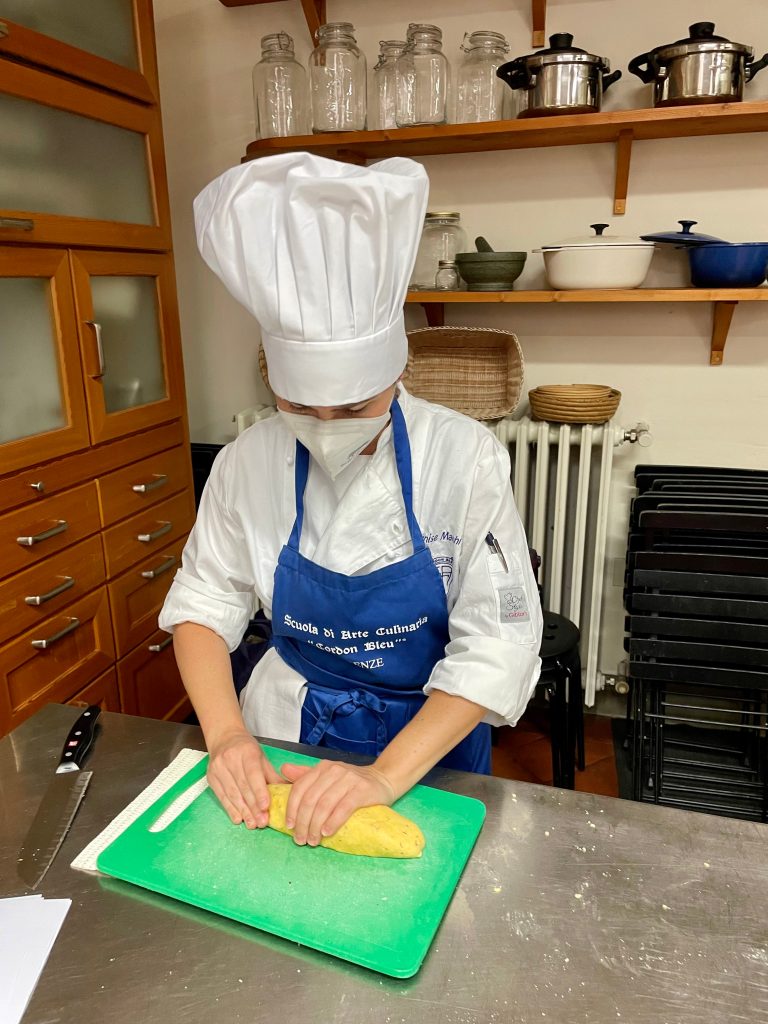
Denise shaping the dough for Cantucci Salati. You first have to bake the dough in one piece for c. 30 minutes & then cut it into slices, and bake it for another 10 minutes. On my instagram you can see how our Cantucci turned out in the end.

seasonal sweets

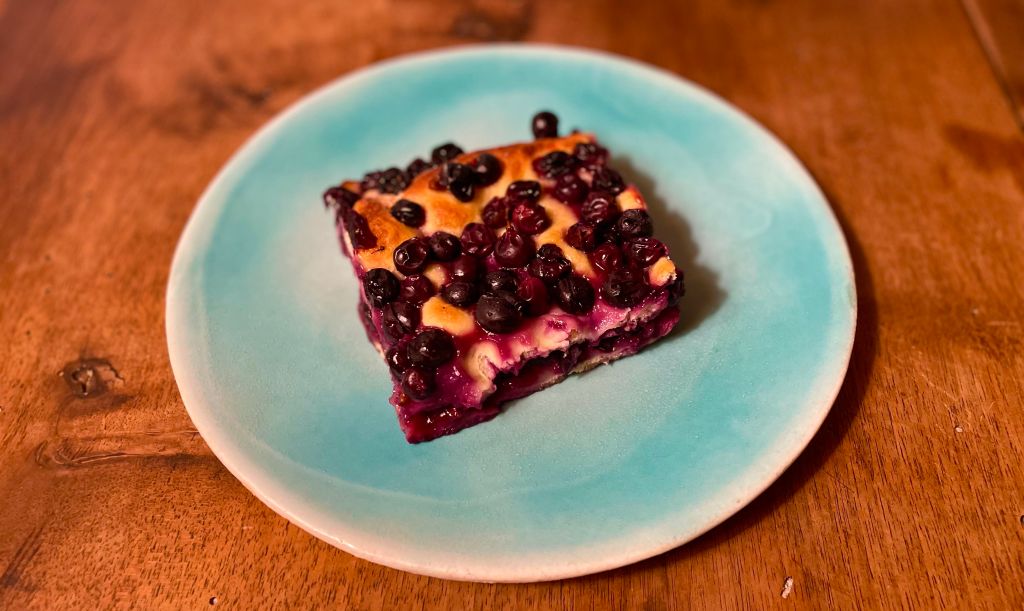
Before October comes to an end, I have to introduce you to a Tuscan seasonal treat called schiacciata con lโ€™uva. The focaccia-like flat cake is sweetened with red grapes, typically canaiolo grapes. It is only sold during September and October, when the fruits are harvested. The grapes retain their seeds which give the schiacciata an intriguing crunchy consistency and an excellent play of bitter and sweet notes. Beware! If you order a schiacciata and forget to say โ€œcon lโ€™uvaโ€, youโ€™ll get a salty bread, similar to โ€˜normalโ€™ focaccia. Itโ€™s also delicious but quite different to the seasonal sweet schiacciata.

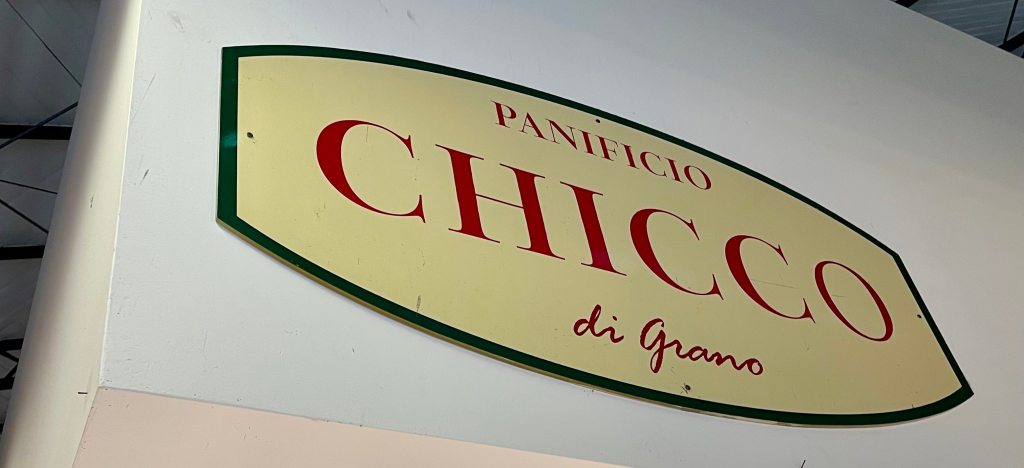
To buy schiacciata con lโ€™uva, I can recommend Panificio Chicco di Grano, at Mercato di Santโ€™Ambrogio.


See you next week! Alla prossima!

Lilly
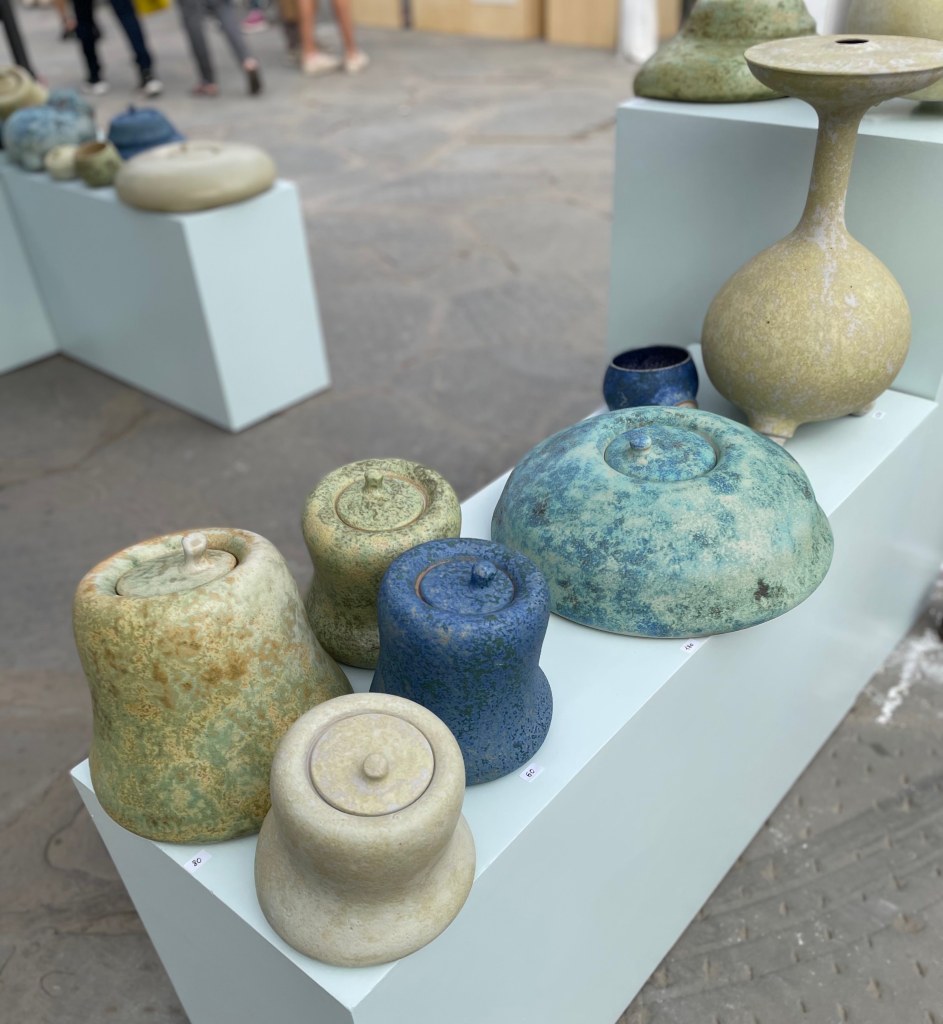
on ceramics & colour

Fiera Internazionale della Ceramica

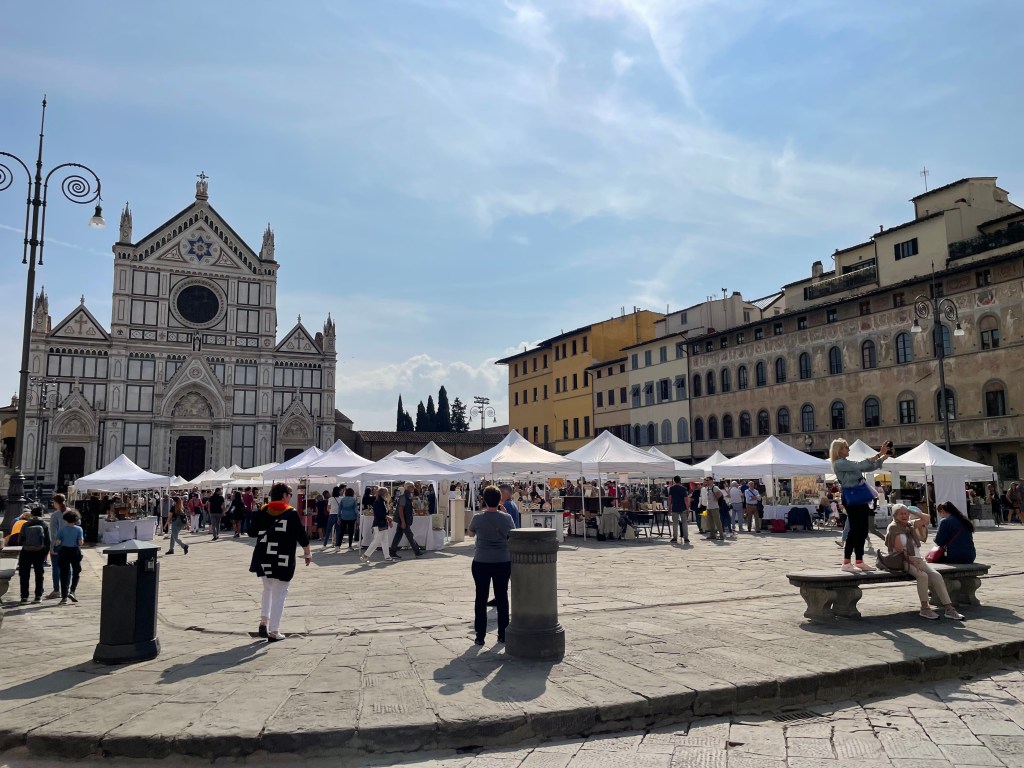
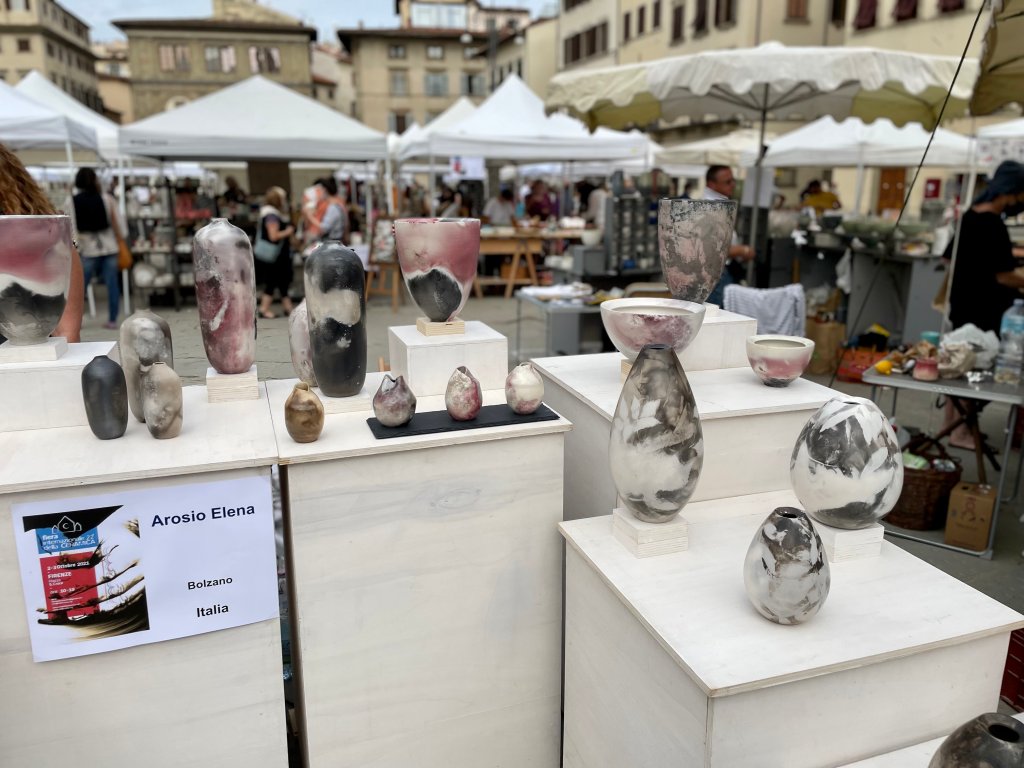
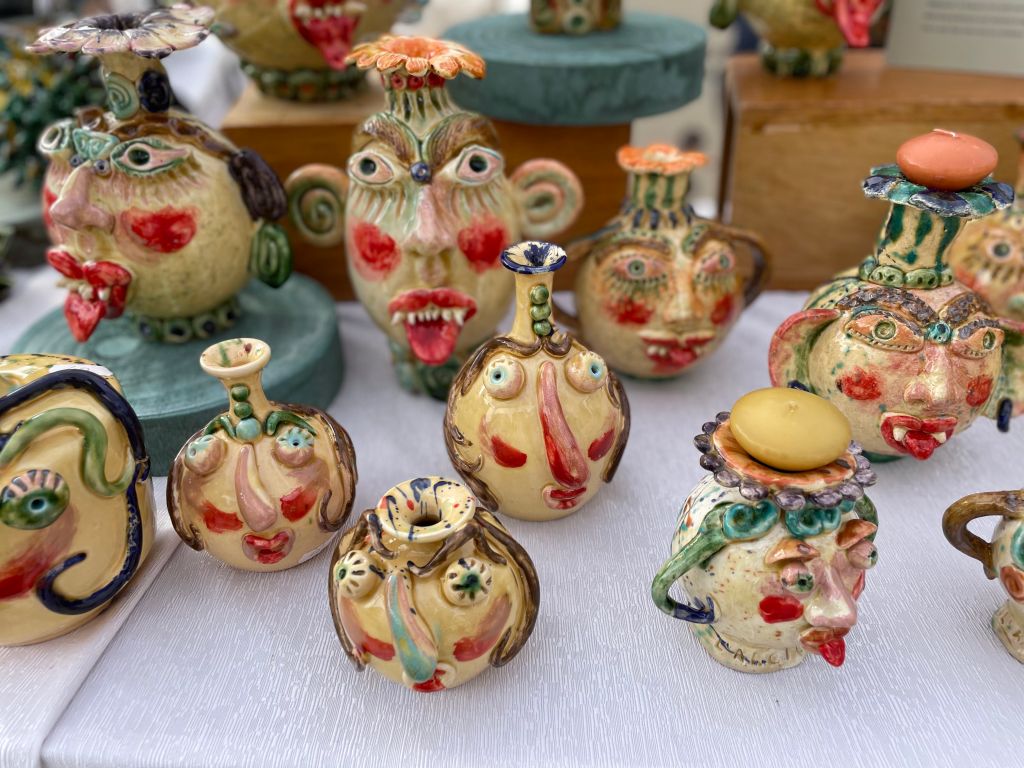
Allemagne-en-Provence, Roquefort-La-Bรฉdoule, Subbiano, Torino, and Lodz. These are only a couple of cities from which the vendors at the Fiera Internazionale della Ceramica in Florence come. The market, located at the Piazza Santa Croce this first weekend of October, promises to show over 80 ceramicists from the whole of Europe. The vendors are framed by the beautiful scenery of the Piazza, named after the Basilica di Santa Croce. Early bird as I am (sometimes), I arrive on Saturday morning and have the chance to explore the different stands before busy groups of people flood in around lunchtime.

Piazza Santa Croce & the Basilica di Santa Croce

What am I doing at the market? I am searching for ceramics to plate my food with more variance, emotion, and allure. Growing up, my family relied on white tableware, a look I have always enjoyed. White is a staple, certainly. But now, I am longing for contrast. I am longing for colour. Itโ€™s a development in taste I observed during last winterโ€™s covid-lockdowns. Spending so much time at home and lacking the visual stimulation of varied environments, my white plates, placed on my white table, began to bore me more and more. They looked like tired, absent-minded eyes, just dozing through the months. I looked back at them with my own weary eyes, dreaming of radiant pinks and blues. Enough with the understatements and minimal colour palette, I decided!

Of course, there are different traditions in food presentations and varied understandings of what tableware, specifically plates, should do. A plate can be a soft understatement, caressing your food with subdued hues, giving it just the right frame to shine on its own. A brightly coloured plate can still assure a minimal look but adds more intensity. It is a challenge to find the right contrast. You want to pick a plate that supports the colour scheme of your dish and potentially makes it appear even brighter. You do not want to take away from the brilliance of its surface or render its colours dull. Finally, a patterned plate provides a whole new level of effects, contextualising your dish in a purposefully eclectic, playful, or mindfully traditional way.

When you prepare a dish, the question of its final presentation instantly enters the stage. Earlier this year, I discovered the tableware of laDoublej, a Milan-based fashion and homeware brand that delights with bright bold patterns. The brand does a phenomenal job at creating fresh, dynamic, and surprising table arrangements. Enchanted, I invested in two of their plates, one from the rainbow family and one from the wildbird series. A vibrant, opulent plate pattern can instantly elevate a dish. The other day, I brought home a simple frittata from the Mercato di Santโ€™Ambrogio and placed it on my laDoublej wildbird plate. What a scene! What a show! Does a โ€˜simpleโ€™ egg dish deserve such drama? Of course, it does. Now, I seek to add even more colour to my food presentation. The Fiera Internazionale della Ceramica is the perfect place for this undertaking.

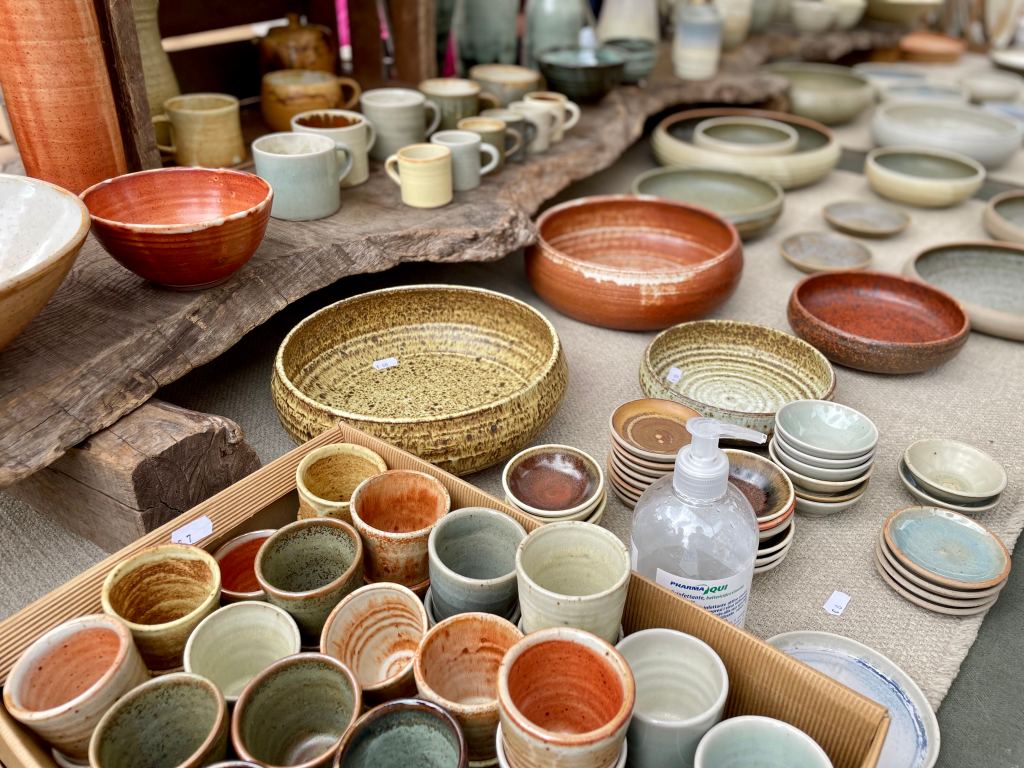
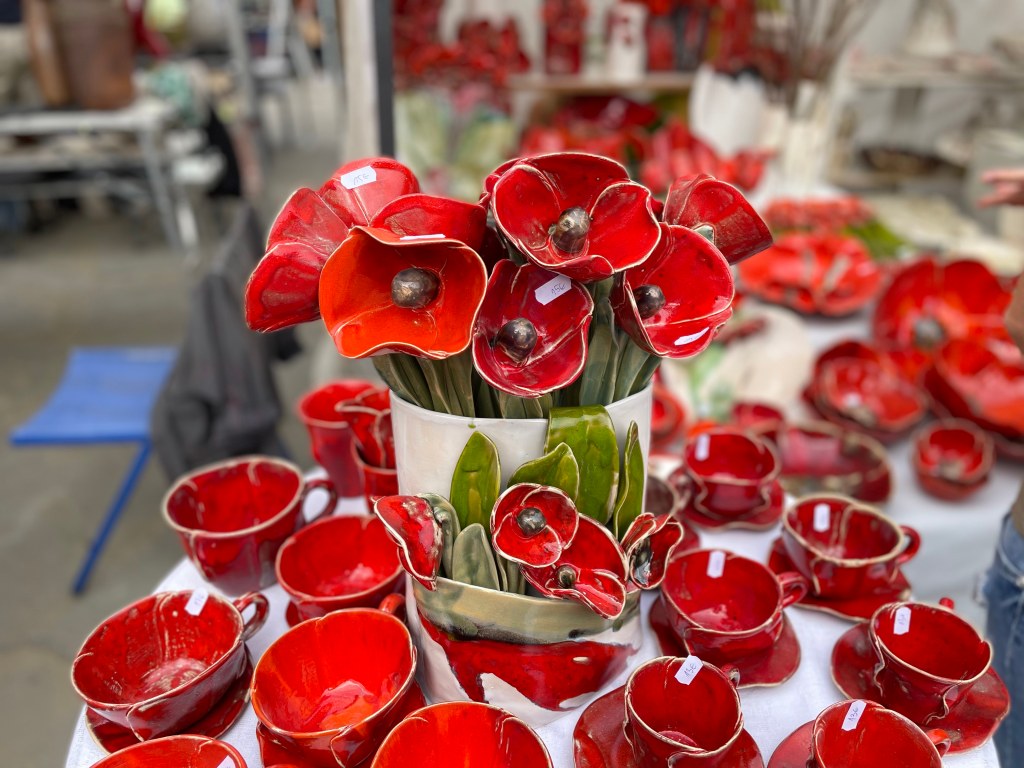
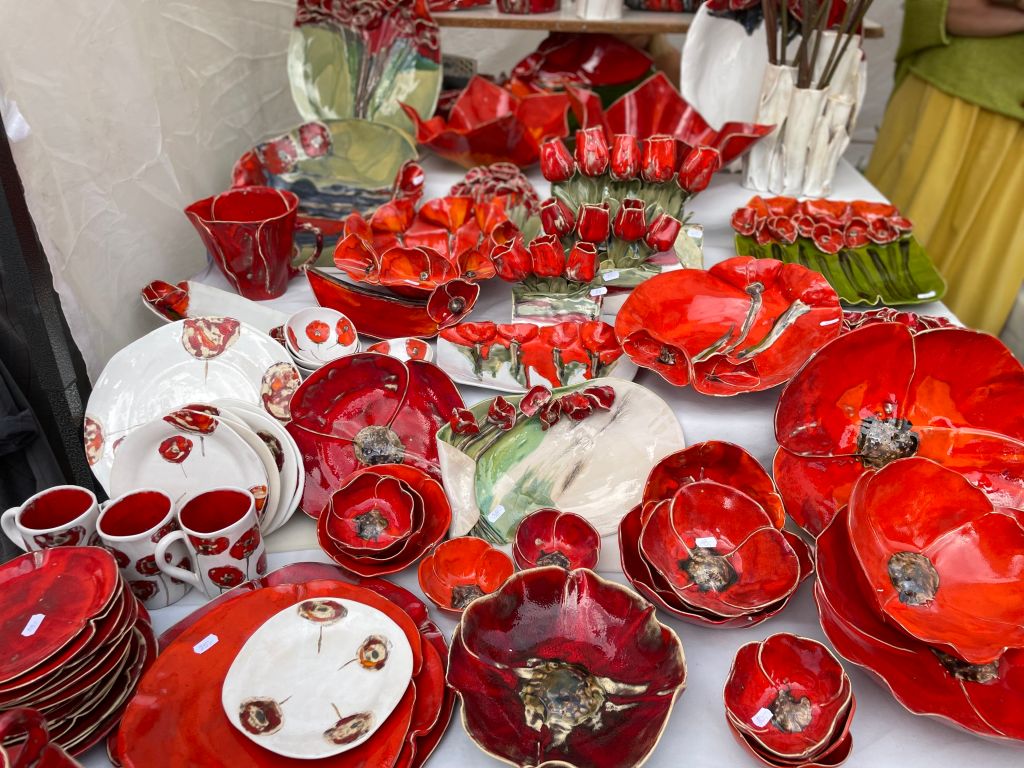
The market offers an exciting opportunity to explore tableware, including pots, cans, plates, bowls, and vases, as well as ceramic jewellery and other decorative pieces. Walking alongside the different stands, I delight in the variety of styles, textures, shapes, and colours. Sometimes the designs are so outrageous that I am indecisive about what to think. Take, for example, the stand of the Polish vendor from Lodz. Her pieces are made of big, bright ceramic poppy flowers. In a way, I find them wonderful. Particularly, the teacups give me a seductive sentiment of surrealism. Then, I picture the pieces plated on a table together, and the scene strikes me as utter madness.

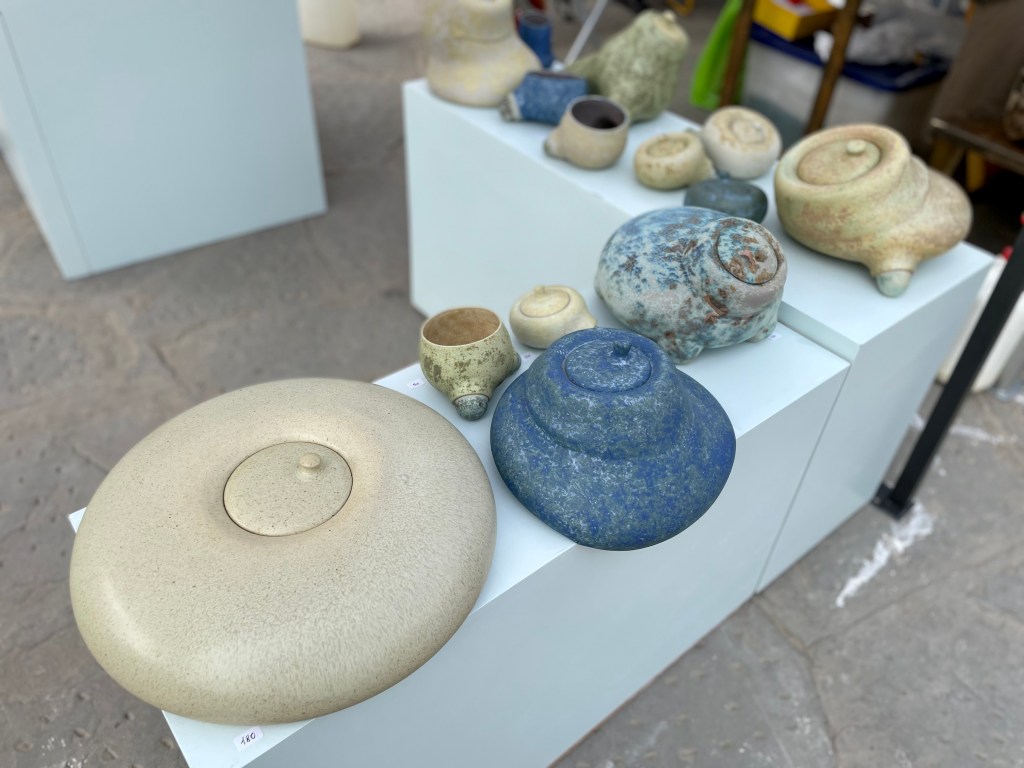
Another vendor, Daniel Cavey, gets my attention with his mystically organic sculptures. Some shapes remind me of pumpkins, other of slugs. They seem to slowly spill over the tables on which they are placed and appear calm and unimpressed by their busy surroundings.


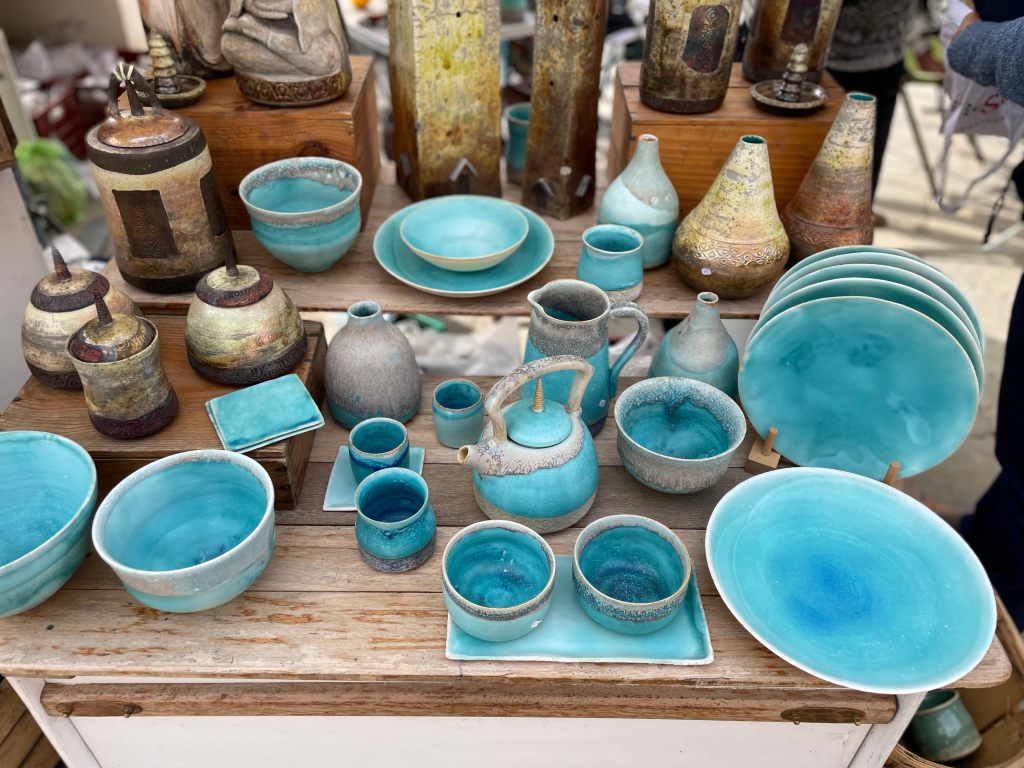
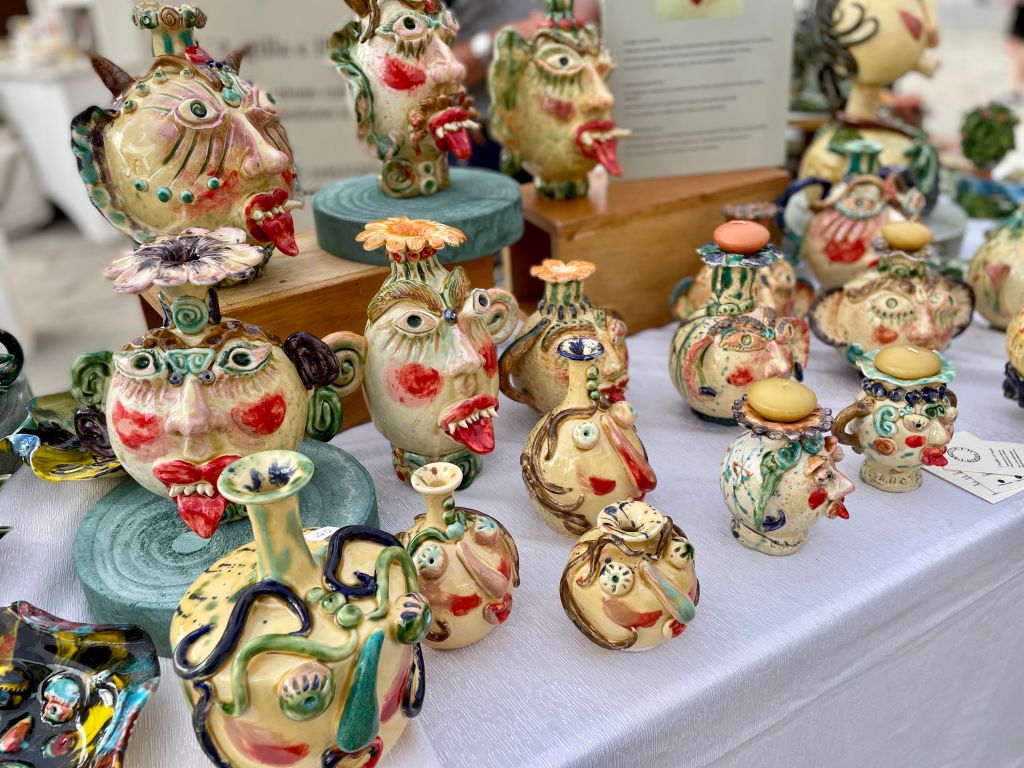
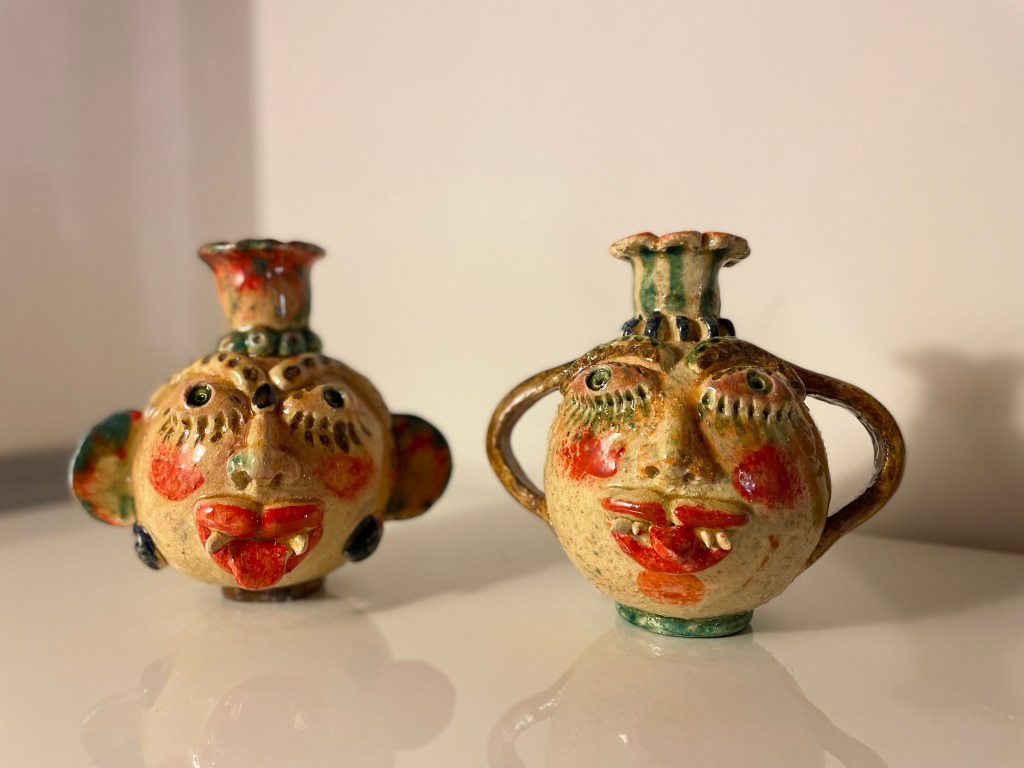
After round three at the market, I set my eyes on two stands. One is from Calabria and offers Babbaluti, terracotta-made, anthropomorphic bottles meant to protect your home from evil. They look sassy, a bit scary but at the same time good-humoured. I buy two of them. Finally, I visit the vendor from Roquefort-La-Bรฉdoule, Christine Perrin, and buy six brightly blue coloured ceramic plates. I canโ€™t wait to serve an Insalata di Arance on them and imagine the satisfying clash of blue and yellow. What a successful day, I think, and walk home with a heavy load. I got colour, I got contrast, and my new purchases will undoubtedly bring fun and fiesta back onto my table.


I hope you enjoyed my impressions of the Fiera Internazionale della Ceramica.

Alla prossima!

Lilly
my two babbaluti, ready to protect my home

what’s traditional?

Ciao, my dear readers!

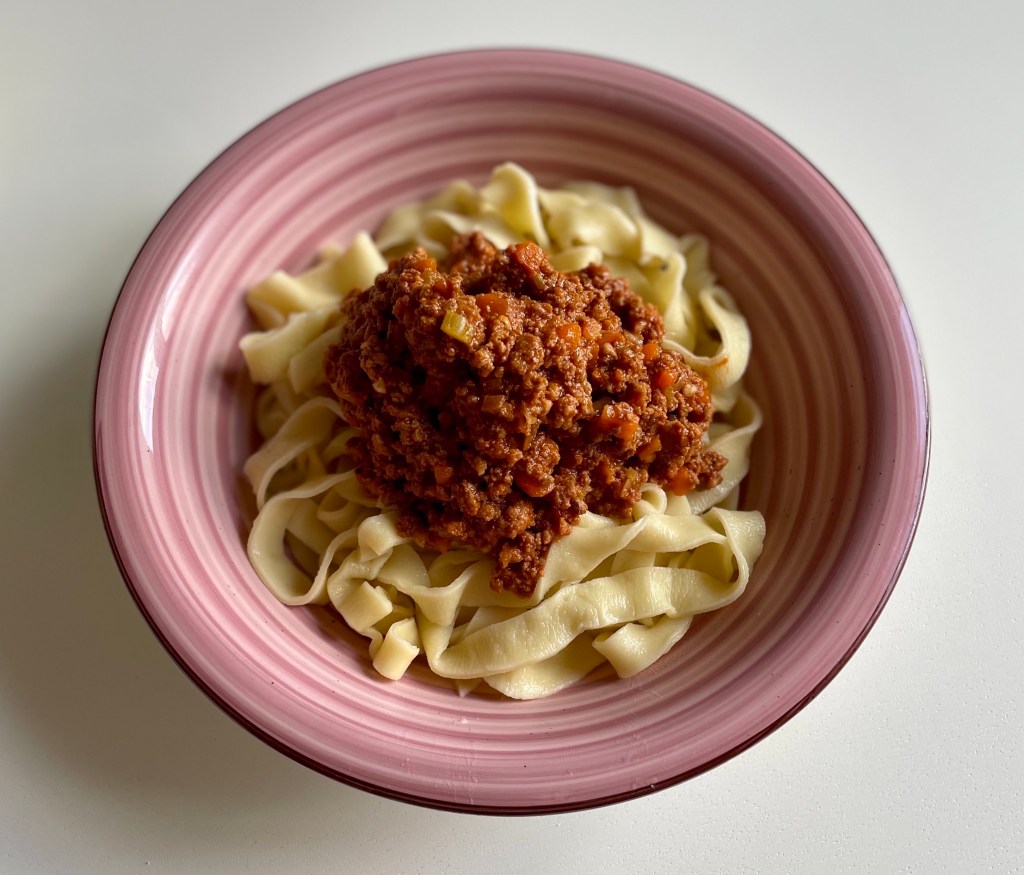
In the last two weeks, I learned to prepare all kinds of antipasti, pasta, eggs, meat, and fish dishes. In the morning, I have cooking classes. In the evening, I try out recipes and cooking techniques as much as my stomach can digest. My first project was to make a classic ragรน Bolognese with hand-made tagliatelle. Very quickly, however, I realised that the meaning of ‘classic’ is subject to a dizzyingly wide range of interpretations. What makes a dish classic? What makes it traditional? And who holds the interpretative power to decide upon such things? Continue reading and follow me to the Florentine area San Niccolรฒ for a reflection on traditions in food preparation.

San Niccolรฒ is a calm and residential neighbourhood. Located south to Florenceโ€™s main river, the Arno, it is one of the greenest districts of the dusty city. The Viale Michelangelo is the main street that leads up the hill. It is lined by beautiful, grand villas that clearly show the wealth of the area. Following the road, you will arrive at the Piazzale Michelangelo, a viewing platform with a stunning sight of the city of Florence. The Piazzale was built in the early 1870s, after the plans of architect Giuseppe Poggi. The platform is particularly beautiful at sunset when musicians accompany the cityโ€™s retreat into the night. When you let your eyes glide over the darkening Florentine cityscape, the hills of Fiesole in the north capture your imagination, inviting you to plan a trip to the Mugello valley in northern Tuscany.

View to the east of Florence from the Piazzale Michelangelo

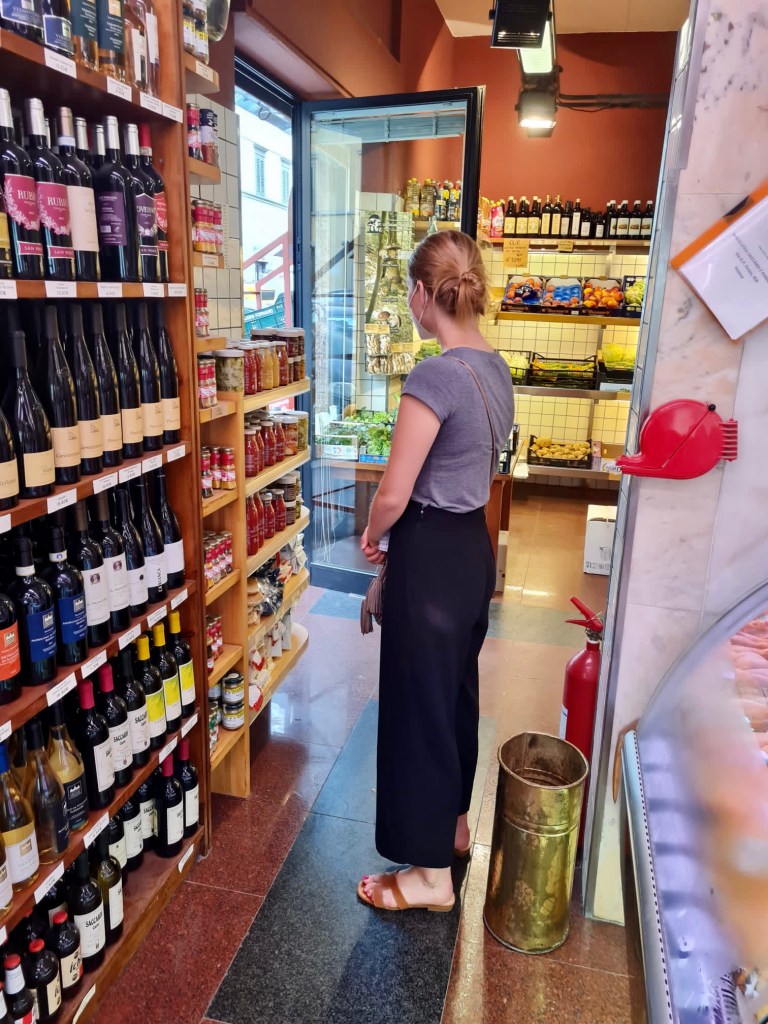
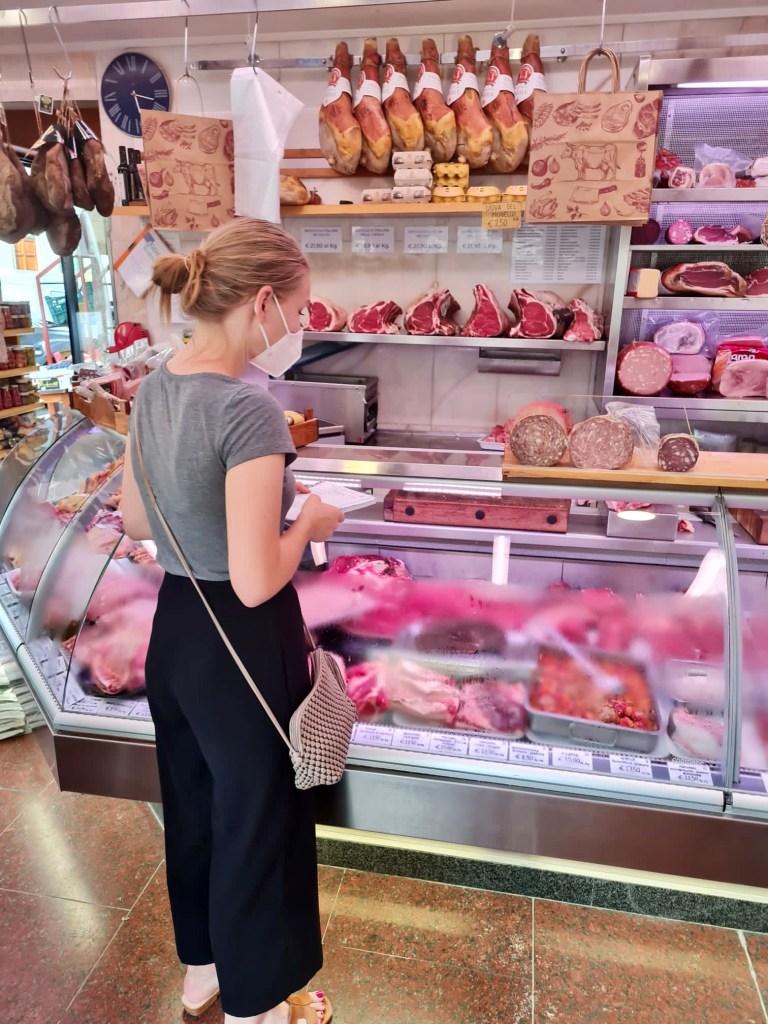
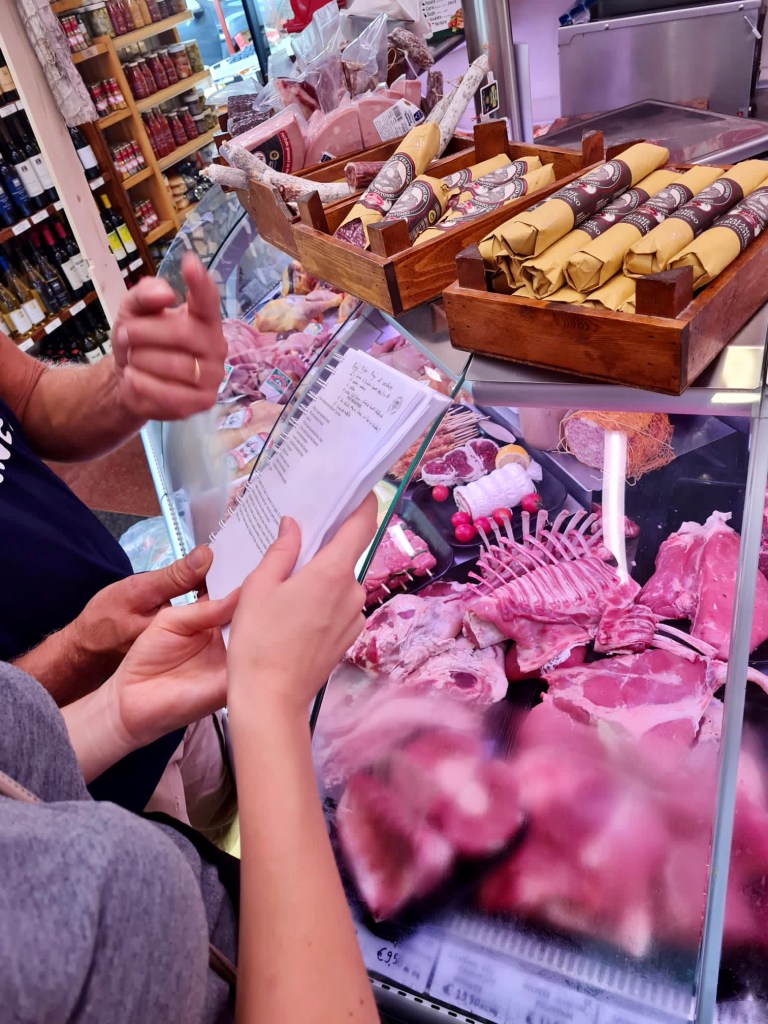
My destination, however, is located at the bottom of the hill, only a five-minute walk by foot from the bridge San Niccolรฒ. I am looking for the Macelleria Saccardi. Founded in 1937 by Margherita Panichi and Ugo Saccardi, the butcher shop is now run by the familyโ€™s third generation. Entering the shop, I find myself surrounded by all types of cuts and meats in varying shades of red and pink. In a small additional room, vegetables, fruits, cheese, and dried foods complement the meat selection.  

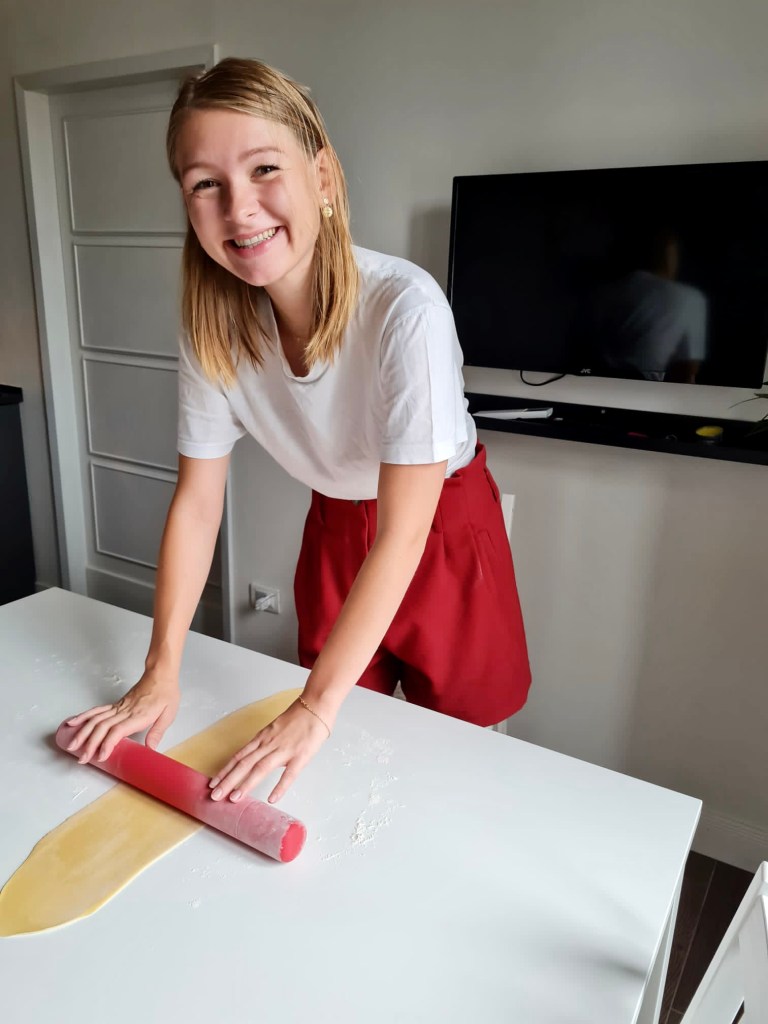
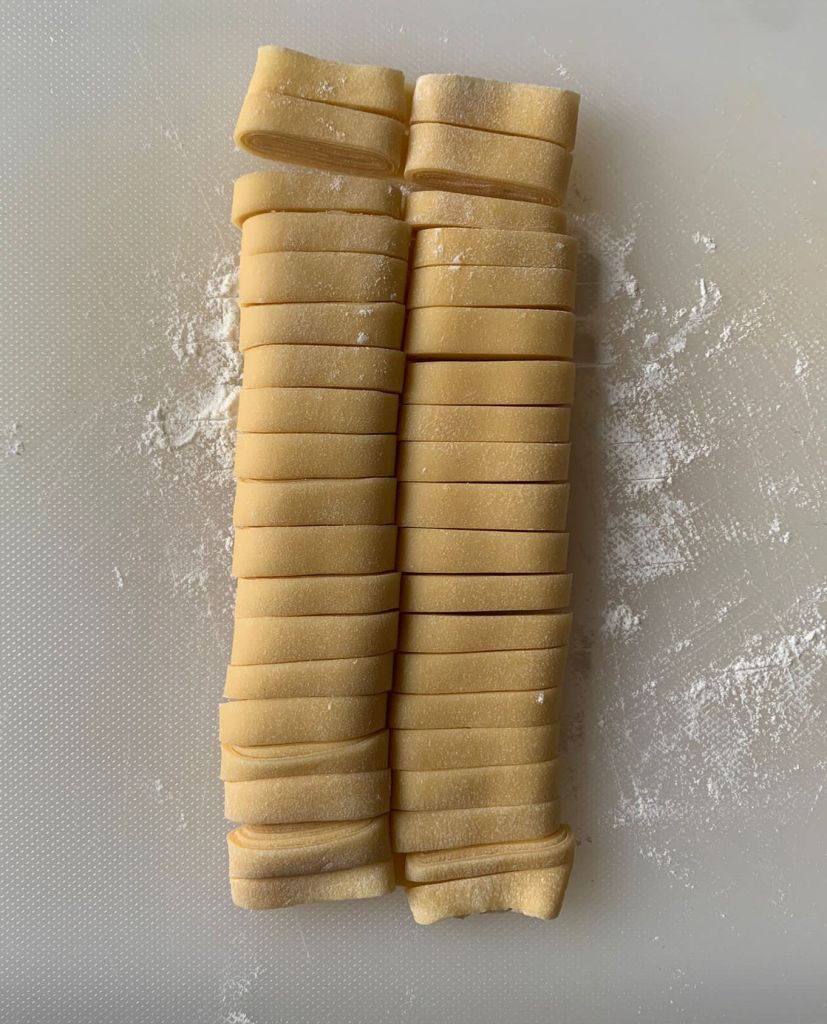
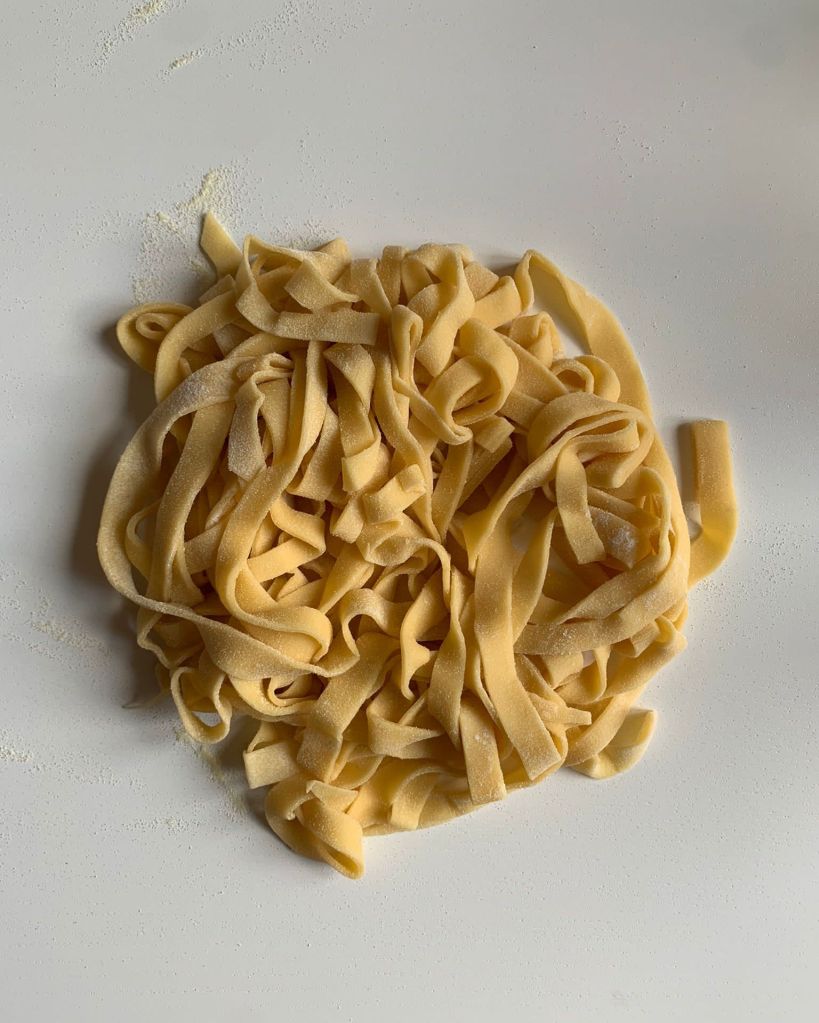
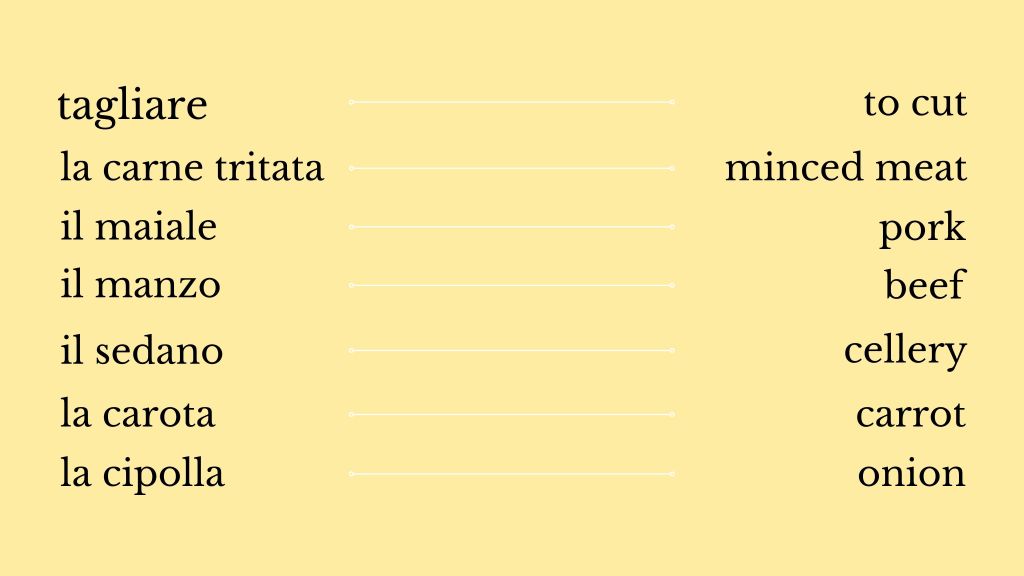
Together with visiting friends, I plan to cook ragรน Bolognese and tagliatelle. For the first, we need minced beef, minced pork, pancetta, and two Salsiccie. We follow the recipe of my cooking school, the Cordon Bleu, and I carry the recipe book with me. Like a dedicated first-year student, I slowly read out the ingredient list, following the foreign Italian words with my index finger. It is quite obvious that I am neither Italian nor a well-experienced ragรน cook. Luckily, another client comes to the rescue. Enthusiastically, he looks at the recipe, agreeing with the choice of meat, vegetables, seasoning, but thenโ€ฆ โ€œLatte??โ€, โ€œIl ragรน con latte? No!โ€ Suddenly, a lively discussion erupts in the butcher shop on the necessity of milk in a ragรน Bolognese. The opinions diverge strongly, and as a foreign cooking student, it is a fascinating scene to witness. Whenever you think you have found a โ€˜traditionalโ€™, โ€˜typicalโ€™, or โ€˜originalโ€™ recipe, you quickly realise that these terms are subject to constant redefinition and regional and personal preference. It is simultaneously liberating and destabilising. Who am I to decide if this ragรน needs milk or not? I first need to decode the rules of Italian cuisine to interpret them. But which authority to listen to? Which recipe to follow? Milk or no milk?!

The discussion on milk comes to a sudden halt when it is discovered that my ragรน recipe derives from the Cordon Bleu cooking book. The recipe now was respected. Is this because the school is perceived to hold jurisdiction over cooking matters? That the institution knows all the ‘right’ recipes? I am not convinced. We all get lost and trapped in the confusing ties of tradition, emotion, habits, and historical narratives. We long for clarity. Not necessarily to decide on a ‘correct’ answer, but to find a pause from the complexity that is present even in matters considered as clearly defined or self-evident. And so we agree on temporary substitutes of explanation. I think we collectively remained indecisive if a typical ragรน Bolognese ought to include milk or not.

In the end, I added the milk. Half a litre. Will I, from now on, add milk religiously? Of course, not. But I bought myself time to think until my next ragรน Bolognese.

important vocabulary for ragรน


I hope to see you again on my blog! For daily updates on my cooking journey, you can follow my Instagram.

Alla prossima!

Lilly
first days of school

let’s get cooking!

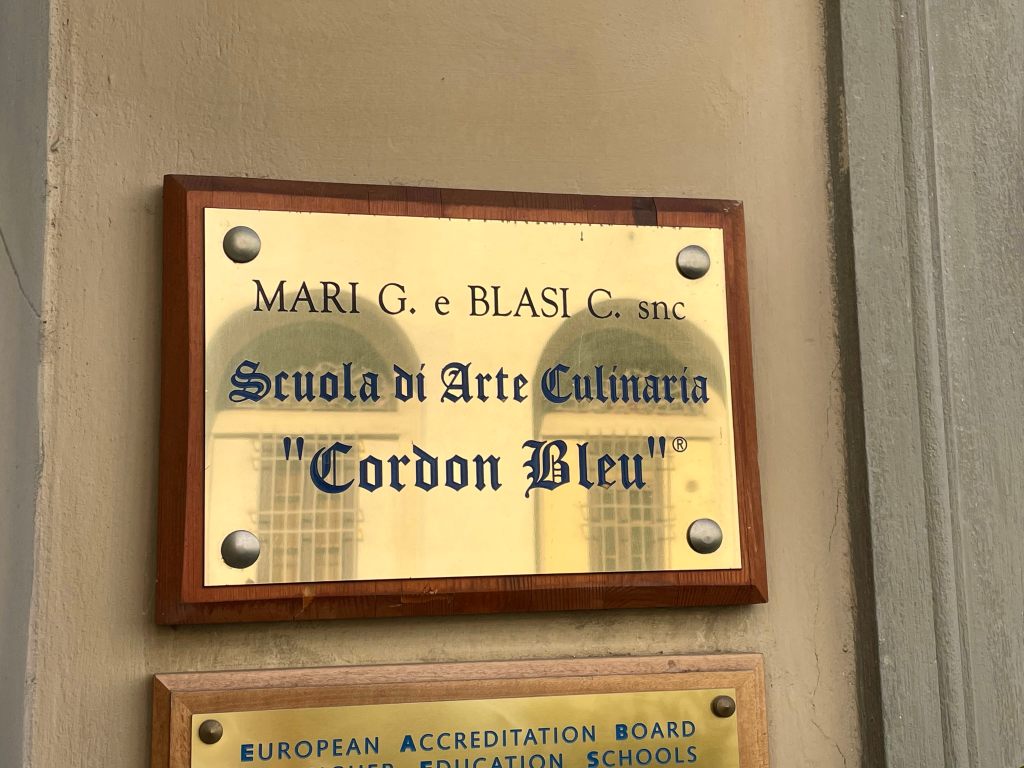
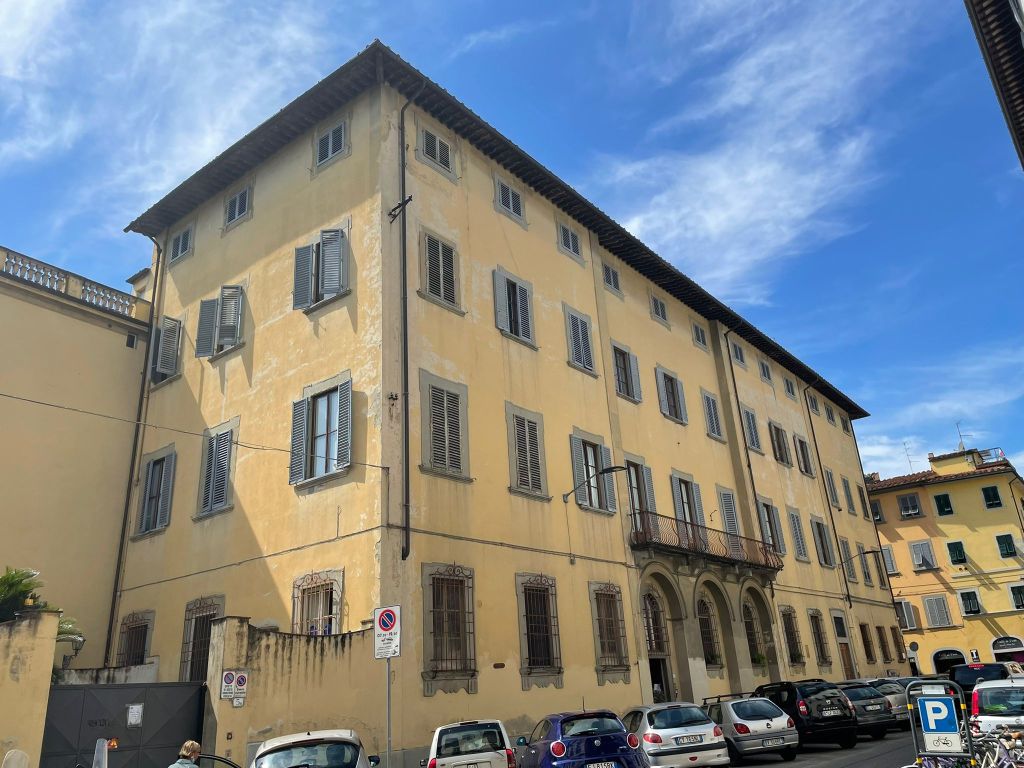
On Wednesday, my professional cooking course at the Scuola die Arte Culinaria “Cordon Bleu” commenced. The school is based in a 16th-century building, the Palazzo Panciatichi Ximenes, in the calm Via Giusti in Florence. Founded in 1985 by Gabriella Mari and Christina Blasi, the school offers a range of cooking classes, including academic and amateur programmes.

I chose to attend the “Course for Cordon Bleu Cook, a basic professional cookery programme, covering everything from ingredient selection and cooking techniques to menu interpretation and preparation. For five weeks we have daily classes from 8.30 to 13.30. Then, an internship in a restaurant kitchen will follow.

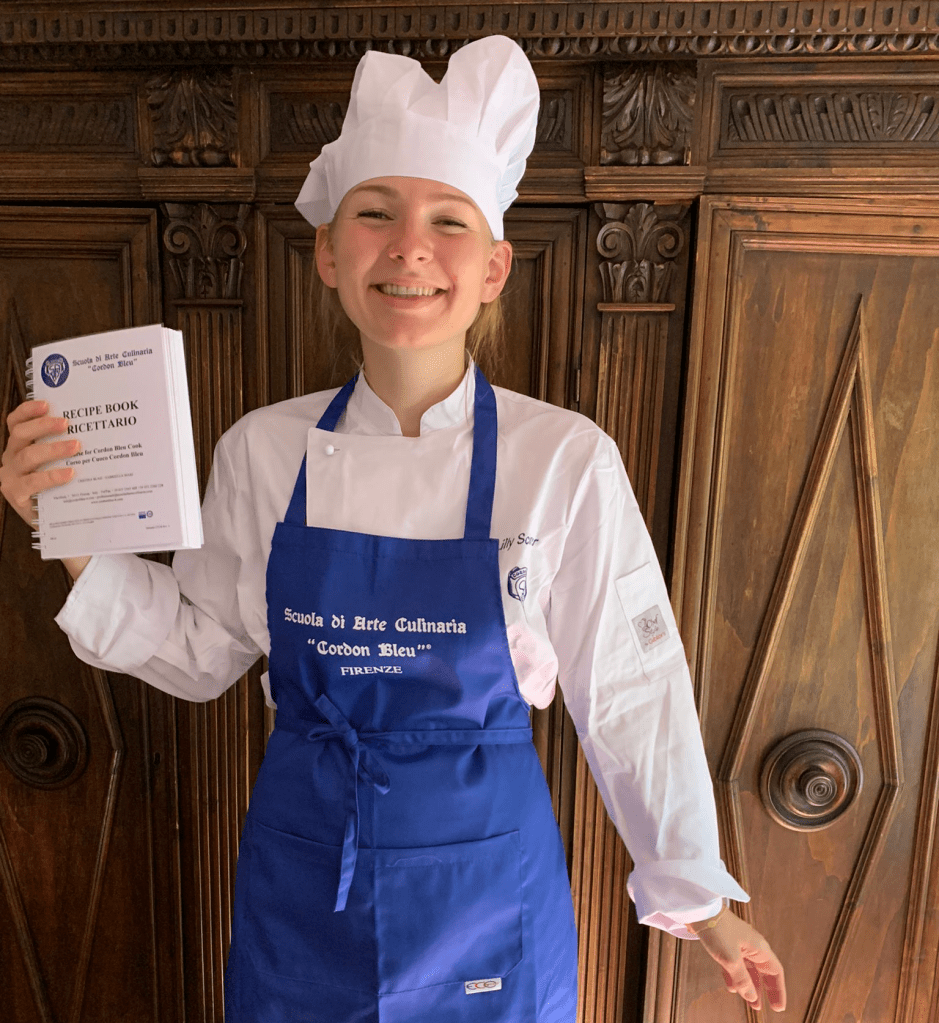
The school’s atmosphere was welcoming. Upon arrival, the students introduced themselves and were encouraged to explain in-depth their motivation for participating. Some do a sabbatical. Others plan to reorientate professionally and enter the food & gastronomy industries. We received a fashionable outfit, consisting of a jacket, an apron and a chef hat. Wearing the hat, I feel like a cauliflower. A professionally cooking cauliflower. We’re given the school’s ricettario, the recipe book, which is filled to the brim with instructions, cooking techniques, and ingredient analyses. Theory comes alive through the knowledge and experience that the teachers share in the form of entertaining anecdotes.

The cooking class runs in two groups, one English-speaking, one Italian. Initially, I had planned to follow the course in English, feeling that my high-school knowledge of Italian is deeply buried in what seemed inaccessible parts of my brain. However, the longer I listened to the Italian-speaking students, the more I grew surprised that I did recognise some grammar and vocabulary. To take up the challenge and immerse myself in the full cultural experience, I switched to the Italian-speaking group. Now, I only understand about 70 % of what’s happening. But I have a secret weapon. I found a most delightful German-Italian dictionary from 1991 by Cรฉdric Dumont for food vocabulary. It is called “Sprachfรผhrer fรผr Gourmets” (dictionary for gourmets), published by Hallwag, and will undoubtedly be my best companion for the next months.


this week’s topics

  • learning about the kitchen brigade system
  • learning how to prepare and organise your workspace efficiently – the mise en place
  • Tuscan and Italian ingredients
  • ingredient storage
  • kitchen utensils (in a professional kitchen)
  • cooking techniques
  • visiting Florence’s Mercato di Sant’Ambrogio
  • preparing pesto genovese & sardine in olio

mercato di sant’ambrogio

On Friday, we visited the Mercato di Sant’Ambrogio, the oldest standing market hall in Florence. It dates back to 1873 and was designed by the architect Giuseppe Mengoni. Mengoni, originally trained in Bologna, played a significant role in integrating market halls in Florence’s urban structure in the 1870s. The city profited from being the capital of the young Italian nation-state (1865-1871) and underwent major architectural refurbishments. In addition to Sant’Ambrogio, Mengoni planned the Mercato di San Frediano and the Mercato di San Lorenzo, the latter known as the famous Mercato Centrale. These building initiatives were inspired by Parisian market halls, appearing after the city’s Haussmannian reinterpretation in the 1860s and built with fashionable cast iron from Belgium. If you are interested in the history of Mercato di Sant’Ambrogio, I recommend the article “Giuseppe Mengoni e Firenze Capitale: il sistema dei nuovi mercati alimentari” by historian Rita Panattoni. 

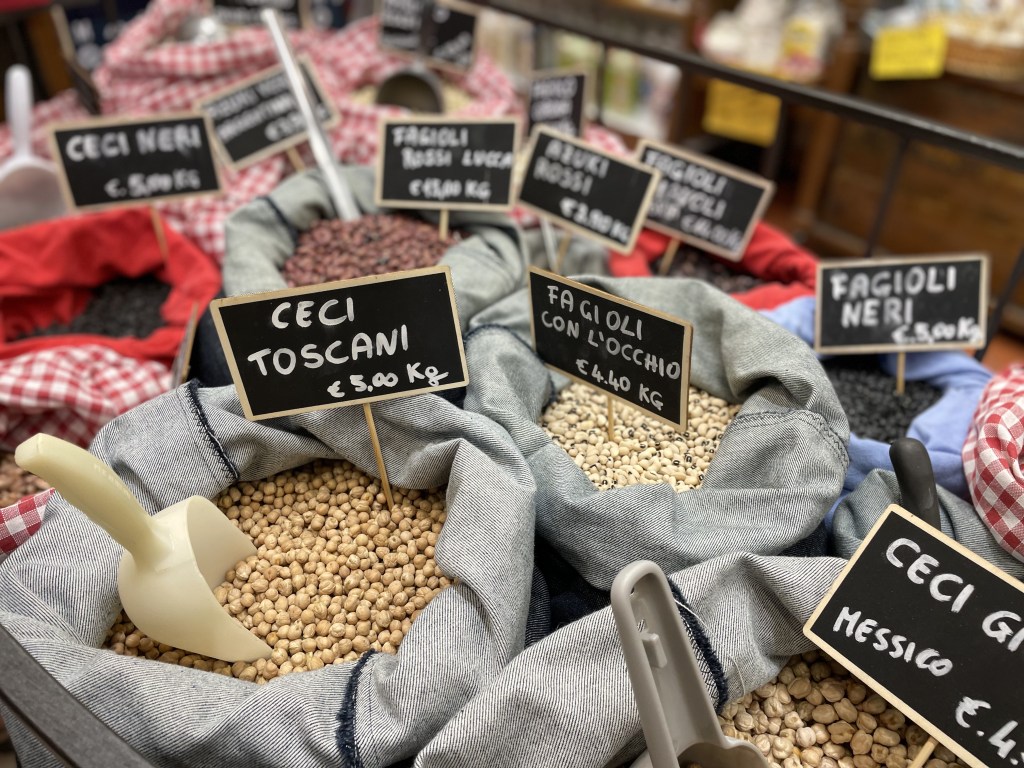
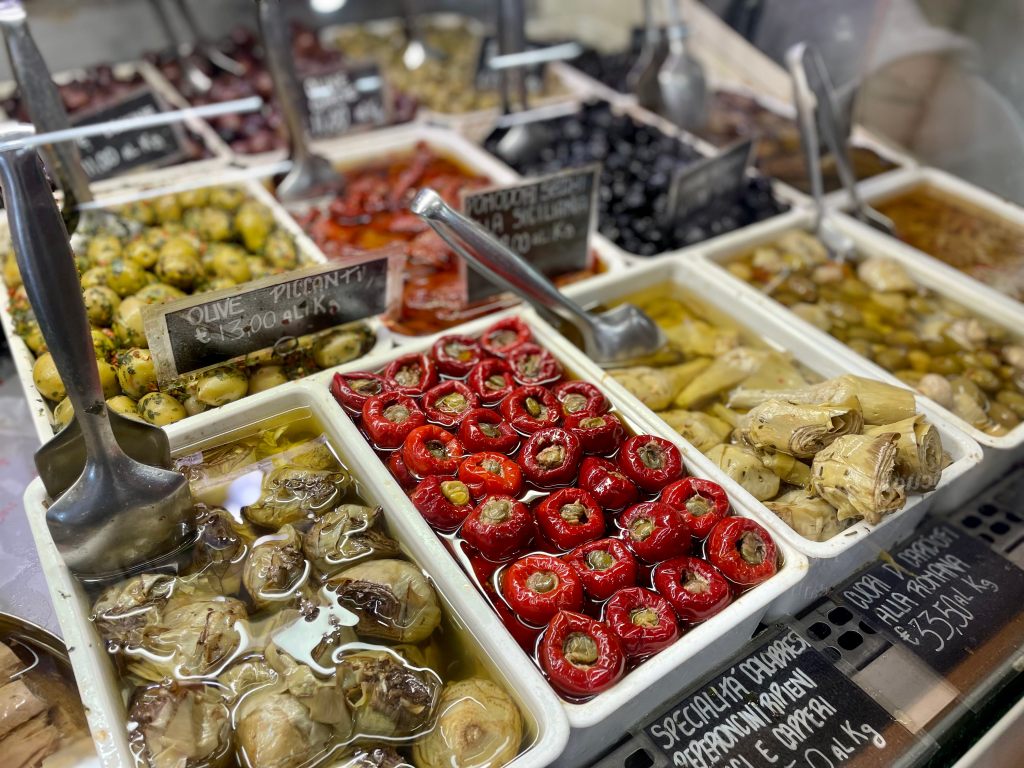
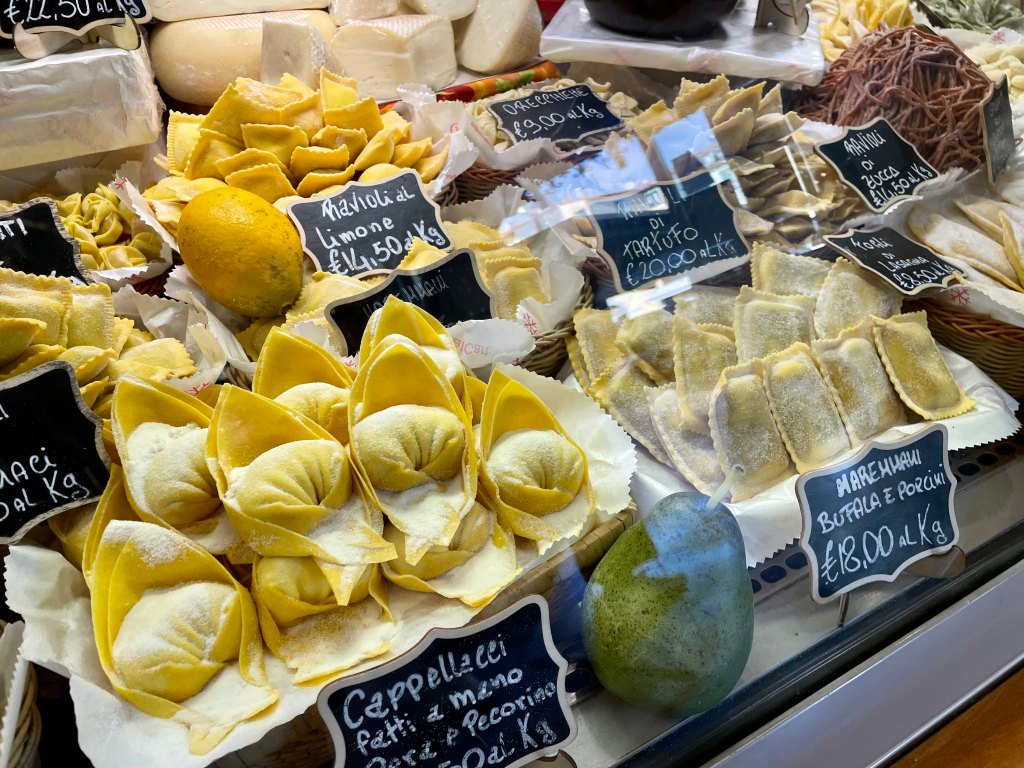
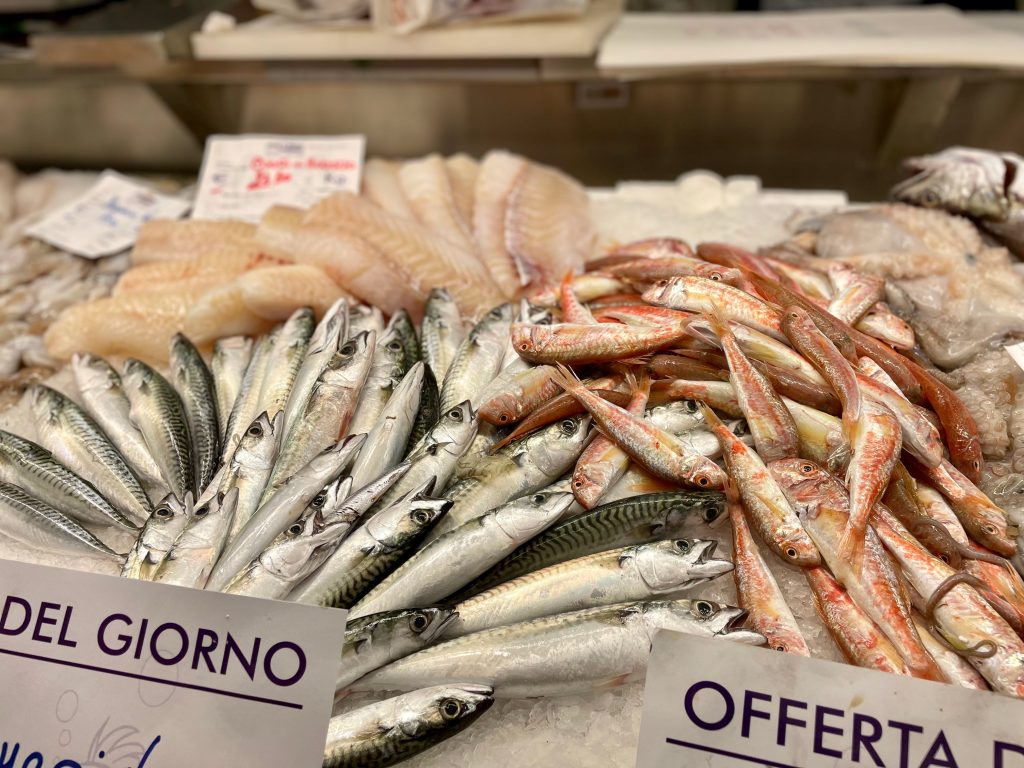
For my part, I was struck by the richness of colours, flavours, and textures I witnessed at the market. Bright red tomatoes and yellow courgette flowers guided me to the main entrance, where I was welcomed by wonderfully soft and plump pasta, such as cappellacci and gnocchi di patate. It was tempting not to push my hand into the little bags of Tuscan chickpeas, called ceci, or beans, fagioli. The fish looked crisp and fresh, and there was a ricotta al forno I simply cannot get out of my mind.

The Mercato di Sant’Ambrogio is open from Monday to Saturday, from 7 am to 2 pm, and I am already planning my return. Do take a moment to look at the pictures below, and indulge in the market’s mouth-watering products! 


Next week, I will learn about ingredient organisation and preparing stocks, sauces, antipasti & primi piatti. I am thrilled to share this delicious journey with you and would be delighted to see you again on this blog. You can also join me on Instagram for more appetising food impressions.

Ci vediamo la prossima settimana,

Lilly