Ciao, my dear readers!
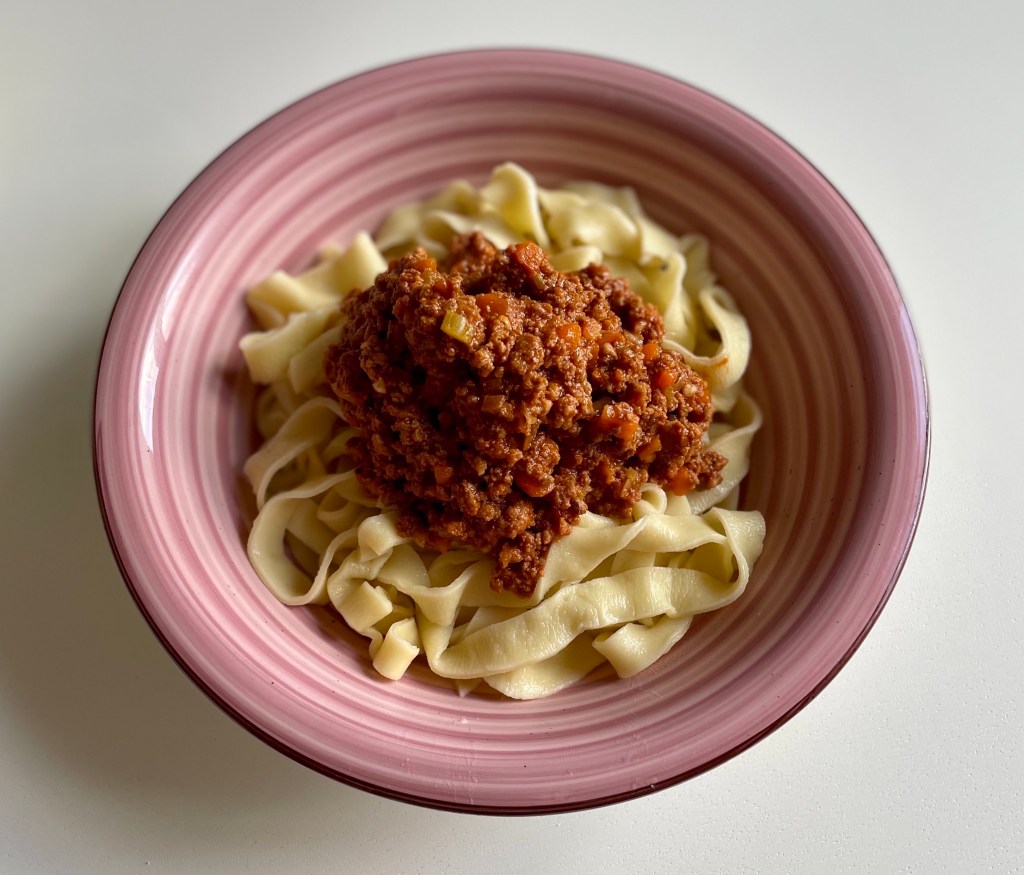
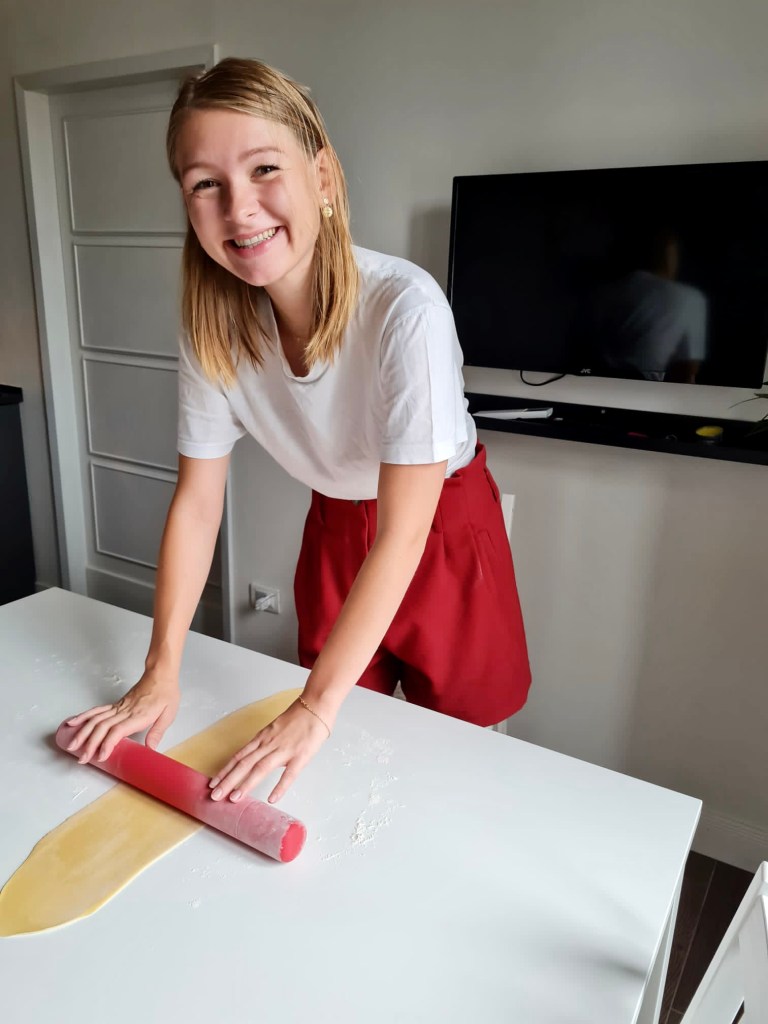
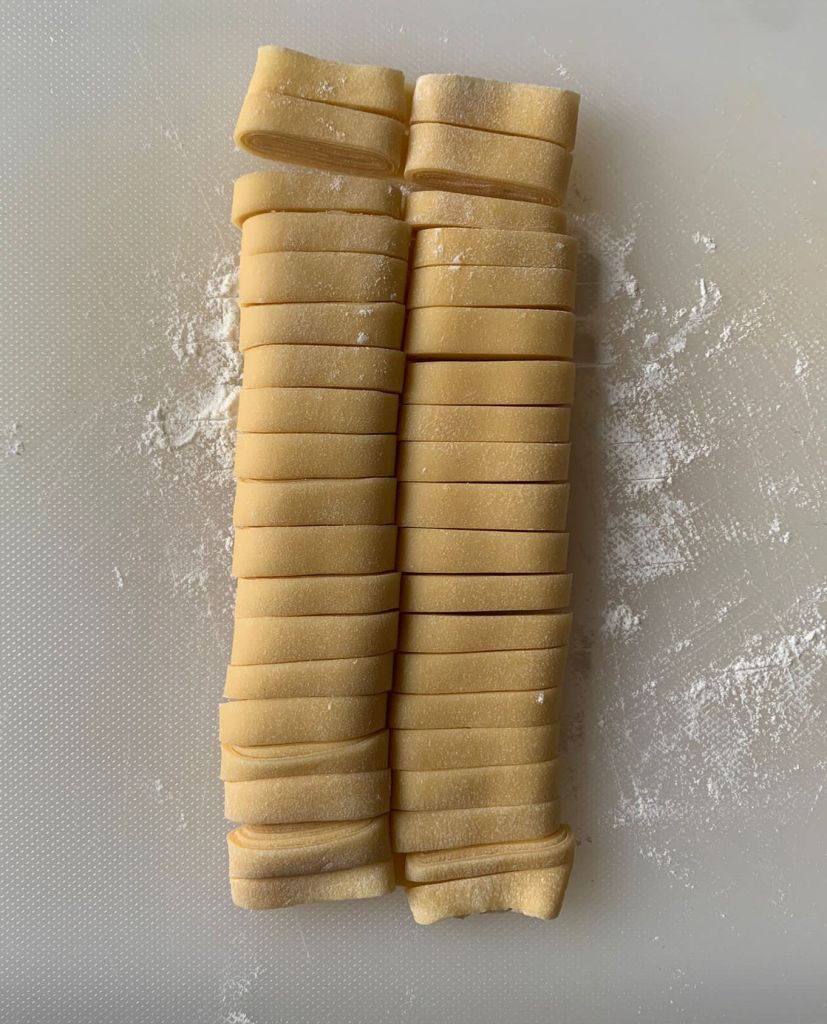
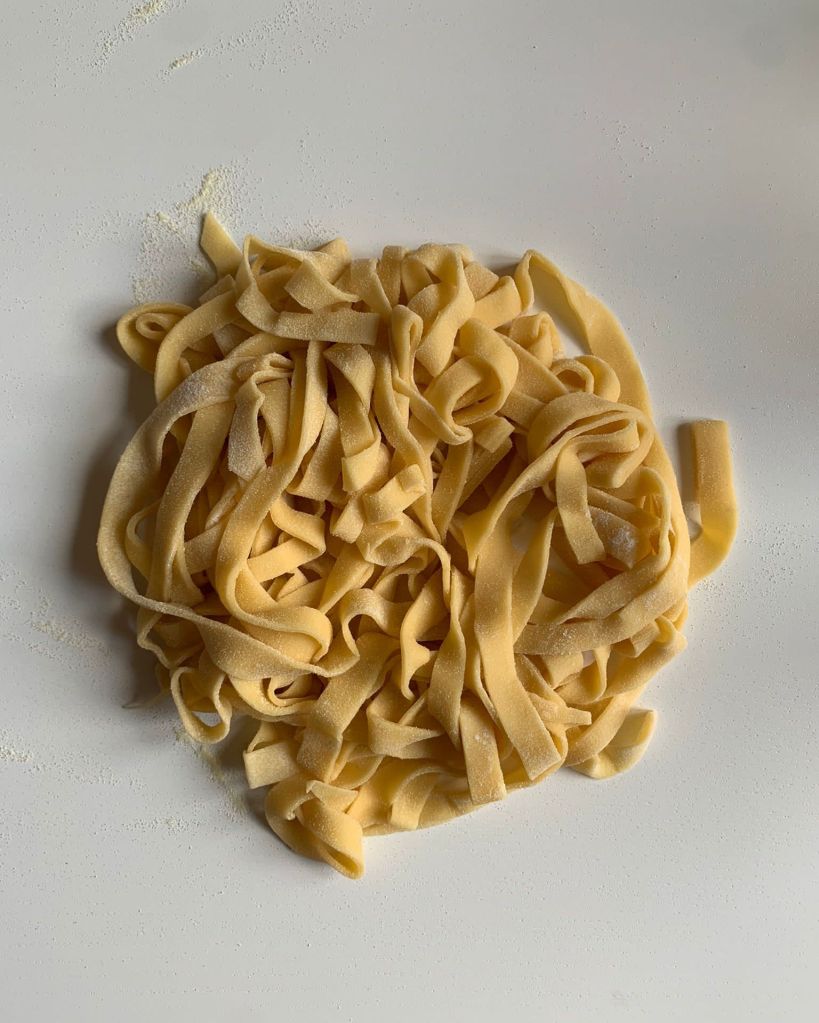
In the last two weeks, I learned to prepare all kinds of antipasti, pasta, eggs, meat, and fish dishes. In the morning, I have cooking classes. In the evening, I try out recipes and cooking techniques as much as my stomach can digest. My first project was to make a classic ragù Bolognese with hand-made tagliatelle. Very quickly, however, I realised that the meaning of ‘classic’ is subject to a dizzyingly wide range of interpretations. What makes a dish classic? What makes it traditional? And who holds the interpretative power to decide upon such things? Continue reading and follow me to the Florentine area San Niccolò for a reflection on traditions in food preparation.
San Niccolò is a calm and residential neighbourhood. Located south to Florence’s main river, the Arno, it is one of the greenest districts of the dusty city. The Viale Michelangelo is the main street that leads up the hill. It is lined by beautiful, grand villas that clearly show the wealth of the area. Following the road, you will arrive at the Piazzale Michelangelo, a viewing platform with a stunning sight of the city of Florence. The Piazzale was built in the early 1870s, after the plans of architect Giuseppe Poggi. The platform is particularly beautiful at sunset when musicians accompany the city’s retreat into the night. When you let your eyes glide over the darkening Florentine cityscape, the hills of Fiesole in the north capture your imagination, inviting you to plan a trip to the Mugello valley in northern Tuscany.

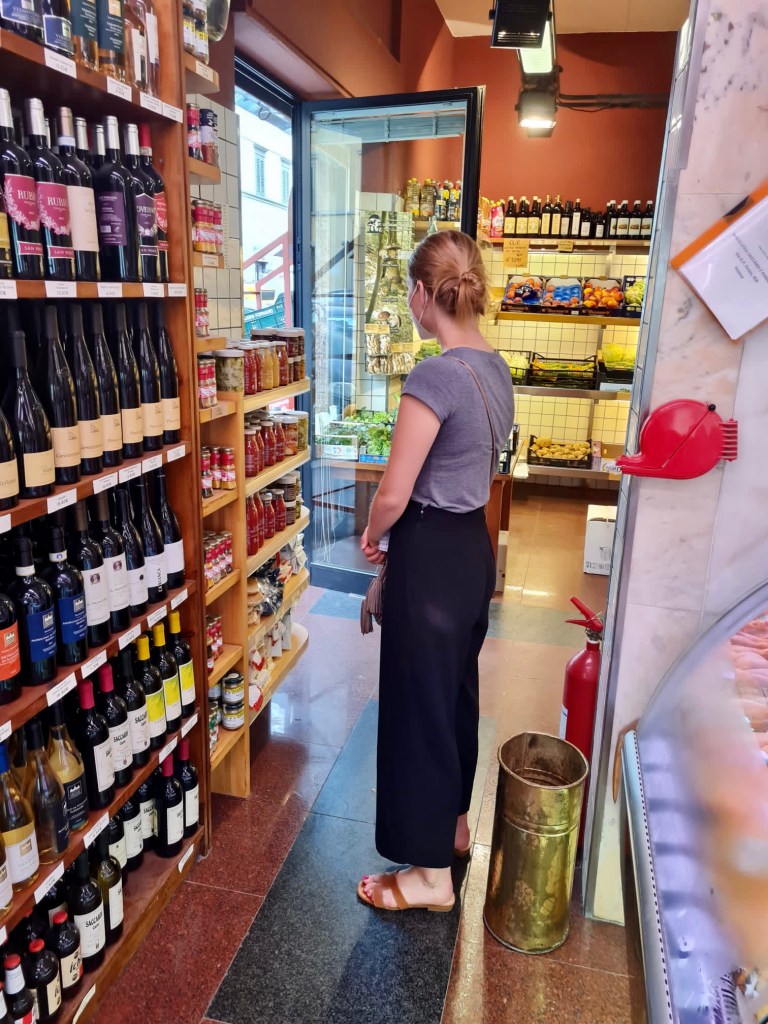
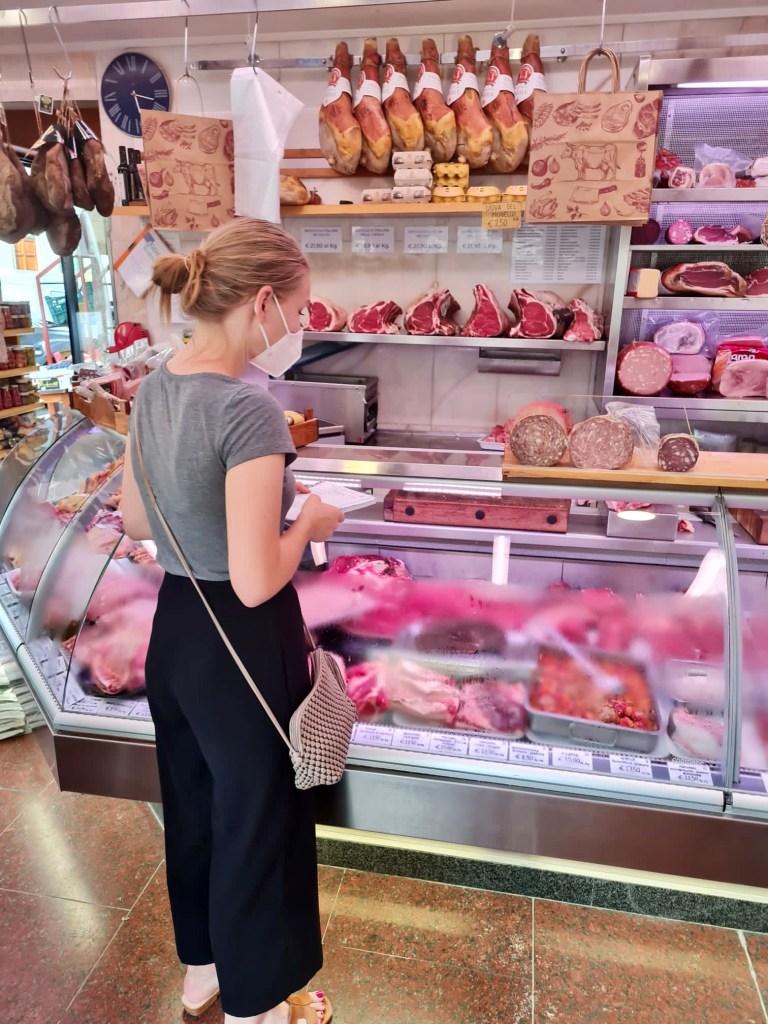
My destination, however, is located at the bottom of the hill, only a five-minute walk by foot from the bridge San Niccolò. I am looking for the Macelleria Saccardi. Founded in 1937 by Margherita Panichi and Ugo Saccardi, the butcher shop is now run by the family’s third generation. Entering the shop, I find myself surrounded by all types of cuts and meats in varying shades of red and pink. In a small additional room, vegetables, fruits, cheese, and dried foods complement the meat selection.
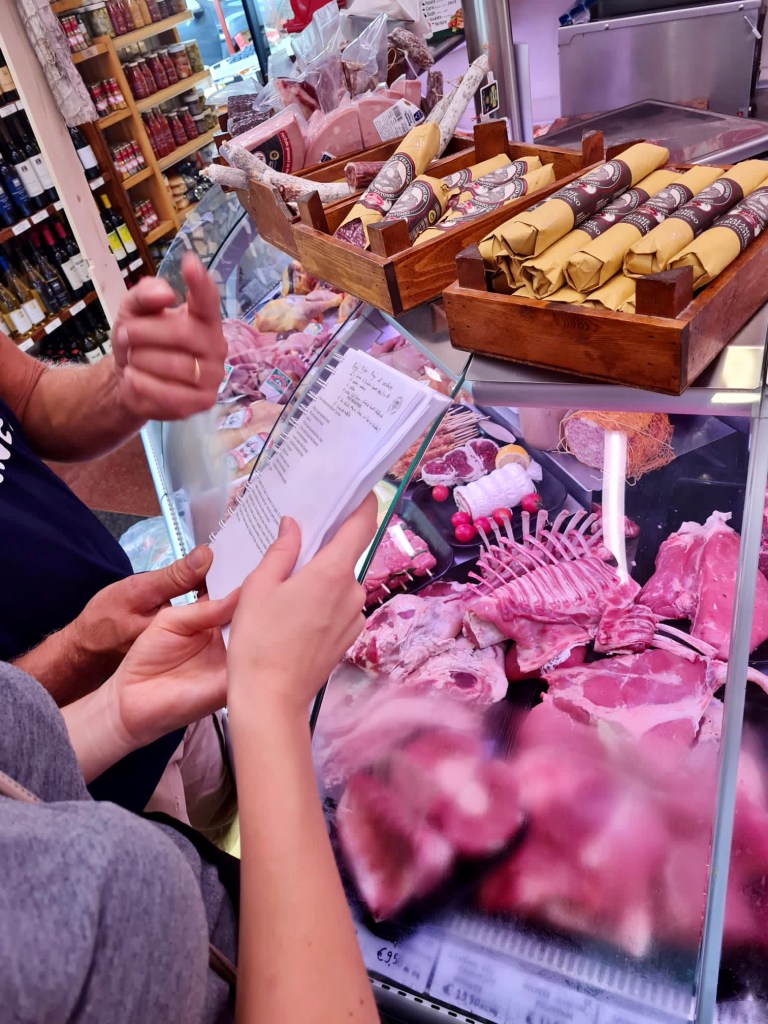
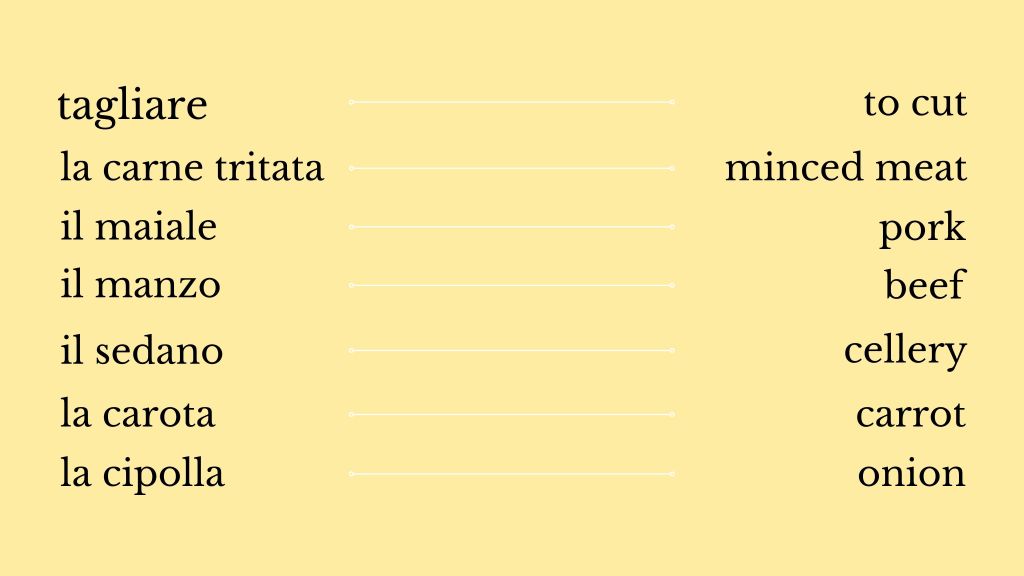
Together with visiting friends, I plan to cook ragù Bolognese and tagliatelle. For the first, we need minced beef, minced pork, pancetta, and two Salsiccie. We follow the recipe of my cooking school, the Cordon Bleu, and I carry the recipe book with me. Like a dedicated first-year student, I slowly read out the ingredient list, following the foreign Italian words with my index finger. It is quite obvious that I am neither Italian nor a well-experienced ragù cook. Luckily, another client comes to the rescue. Enthusiastically, he looks at the recipe, agreeing with the choice of meat, vegetables, seasoning, but then… “Latte??”, “Il ragù con latte? No!” Suddenly, a lively discussion erupts in the butcher shop on the necessity of milk in a ragù Bolognese. The opinions diverge strongly, and as a foreign cooking student, it is a fascinating scene to witness. Whenever you think you have found a ‘traditional’, ‘typical’, or ‘original’ recipe, you quickly realise that these terms are subject to constant redefinition and regional and personal preference. It is simultaneously liberating and destabilising. Who am I to decide if this ragù needs milk or not? I first need to decode the rules of Italian cuisine to interpret them. But which authority to listen to? Which recipe to follow? Milk or no milk?!
The discussion on milk comes to a sudden halt when it is discovered that my ragù recipe derives from the Cordon Bleu cooking book. The recipe now was respected. Is this because the school is perceived to hold jurisdiction over cooking matters? That the institution knows all the ‘right’ recipes? I am not convinced. We all get lost and trapped in the confusing ties of tradition, emotion, habits, and historical narratives. We long for clarity. Not necessarily to decide on a ‘correct’ answer, but to find a pause from the complexity that is present even in matters considered as clearly defined or self-evident. And so we agree on temporary substitutes of explanation. I think we collectively remained indecisive if a typical ragù Bolognese ought to include milk or not.
In the end, I added the milk. Half a litre. Will I, from now on, add milk religiously? Of course, not. But I bought myself time to think until my next ragù Bolognese.
important vocabulary for ragù
I hope to see you again on my blog! For daily updates on my cooking journey, you can follow my Instagram.
Alla prossima!
Lilly

 lilly's menu